Detailed Explanation of Key Points of Flounder Pond Aquaculture Technology
The flounder, Paralichthys olivaceus of the family Paralichthyidae, is commonly known in China as yapian, piankou, or bihaiyu (flatfish). It is a prized marine fish and one of the important mariculture and enhancement species. It has a large body and delicate, delicious flesh, making it a top-grade material for sashimi; it is deeply favored by consumers, has a very broad market, and holds high economic value.
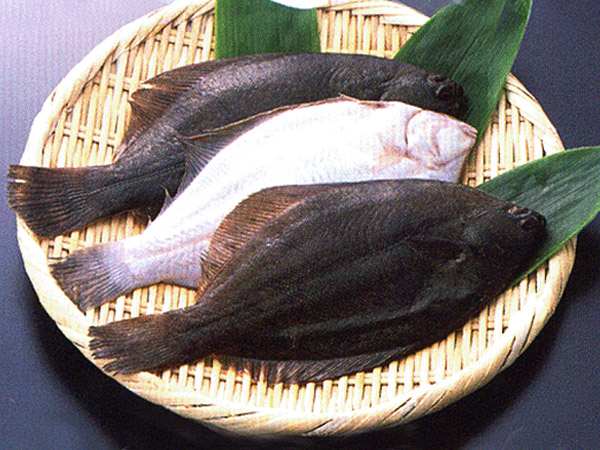
Below is a brief introduction to flounder aquaculture technology.
The flounder farming site should be chosen in a place with fresh, pollution-free water, convenient water exchange, guaranteed power supply, and convenient transportation. The grow-out workshop can have brick and stone walls, with a steel frame or wooden frame roof covered with glass tiles or asbestos tiles to control light, because overly strong light makes flounder restless and also causes algae to grow on the pond bottom and walls, affecting fish feeding and growth. Cement ponds come in shapes such as rectangular, square, and octagonal, with an area of 30 sq m to 80 sq m and a water depth of 1 m to 1.2 m. The drain outlet should be sloped at a gradient of 2% to 3%, with 4 to 6 water inlets, and water should enter in one direction to form a circular flow so that leftover bait and excrement can be discharged smoothly. To prevent flounder from jumping out, the pond walls should extend 30 cm to 50 cm above the water surface.
Flounder fingerlings can be caught directly from natural sea areas or purchased from farms, with the latter being of better quality. Fingerlings can be introduced when the pond water temperature reaches above 13°C. The fingerlings are required to have a total length of more than 10 cm, uniform body color, clear markings, and coloration close to natural, with no albinism or melanism, and a robust constitution. If placed in the palm of the hand, it is best if the fish feels strong when it jumps. Fingerlings with rotten fins, red and congested body surfaces, or gill disease must not be used. The stocking density is: 150 to 100 fish per sq m for those with a body length of 10 cm to 15 cm; 50 to 35 fish per sq m for those with a body length of 20 cm to 25 cm.
The feed for flounder should be strictly controlled for quality, and attention should also be paid to feeding methods. The feed used for farming flounder mainly consists of complete compound feed and small trash fish, etc. Feed fish mainly include sand lance, goby, and mackerel, among which low-fat sand lance is the best. Generally, feed is given twice a day (at 7 a.m. and 3 p.m.), with a feeding amount of about 3% of the fish body weight. When the water temperature exceeds a certain range (>25°C or <12°C) or during medicated baths, the number of feedings should be appropriately reduced or feeding stopped. Feeding should be uniform, and long-term feeding of a single type of feed should be avoided to prevent nutritional deficiency.
Flounder requires strengthened routine management. After the fingerlings have been raised in the pond for a period of time, they should be appropriately graded according to their growth conditions. Graded fish not only have a higher survival rate and grow faster, but also have uniform specifications, making feeding management easier. After each grading, a medicated bath with 8×10⁻⁶ to 10×10-6 oxytetracycline or 1×10⁻⁶ to 2×10⁻⁶ nitrofurazone can be used for 1 hour to 2 hours to prevent bacterial infection caused by abrasions. Note that feeding should be stopped before grading, and operations should be gentle and quick. When water quality is poor or leftover feed accumulates on the pond bottom, the water level can be lowered to increase the water exchange rate, or siphon or sweeping methods can be used to remove leftover feed. During the grow-out period, the amount of water exchange is directly proportional to water temperature and stocking density. Generally, when the water temperature is below 15°C, the water exchange rate is 5 times/day to 10 times/day. As the temperature rises, the water exchange rate should be increased or a higher water level should be maintained. In the high-temperature summer season, the water exchange rate should reach 12 times/day to 24 times/day in order to maintain a lower water temperature and allow flounder to pass through summer safely.
Flounder culture ponds need to be regularly splashed and disinfected with bromine- and chlorine-containing disinfectants; early detection and targeted treatment should be achieved. For example, for gastrointestinal diseases caused by bacteria, compound feed supplemented with antibiotics sensitive to the pathogen can be fed, and for parasitic diseases, freshwater baths or insecticidal agents can be used for washing and soaking. In addition, disinfection treatment should also be done well to prevent disease spread and cross-infection. Dead and diseased fish should be treated with disinfectants and then deeply buried; aquaculture water in which disease has occurred must be disinfected before being discharged.