How to prevent death during the autumn harvest period of river crabs?
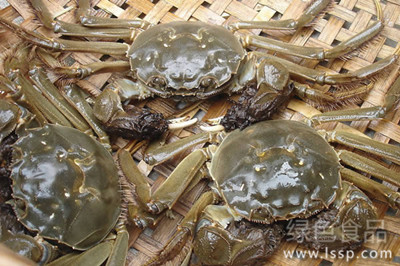
Every autumn, farmed river crabs enter the season of maturity and harvest, and at the same time enter a stage in which they are extremely prone to death. If management is not strengthened, mass deaths of river crabs may cause major losses. How can autumn deaths of river crabs be prevented? This should be approached from the following three aspects:
(1) Every year from September to November, a batch of river crabs that have grown for two years molts from "yellow crabs" into "green crabs". Because their gonads have matured and their internal osmotic pressure has risen, they can no longer adapt to a freshwater low-osmotic-pressure environment. Such crabs are bound to escape in search of a new environment, and in the end most of them will die naturally. These river crabs should be caught and sold in time to avoid losing their economic value due to natural death.
(2) Prevent death from indigestion. After the beginning of autumn, the temperature difference between day and night is large, and changes in air pressure and water temperature also increase accordingly. The appetite of river crabs will change, and this can easily cause indigestion and death. This is what is usually called "death from bloating", and in severe cases it may lead to the death of all of them. The prevention and control methods include: improving water quality and regularly disinfecting with limewater; regularly adding antibiotics and growth hormones to the food; not feeding or feeding less plant-based bait, and appropriately increasing animal-based bait, especially high-protein bait such as earthworms and river snails; feeding must be done at fixed times and in fixed amounts. When the water temperature drops, the amount of bait fed should be reduced accordingly.
(3) Prevent death from "catching cold". In autumn, the temperature changes greatly between day and night, and the water temperature difference is also large, sometimes even differing by 10°C. River crabs are very unaccustomed to this and are prone to "catching cold", which triggers breathing difficulty and death. The prevention methods are: pay attention to adjusting the water level to prevent drastic changes in water temperature; when adding new water, the temperature difference must not be greater than 3°C; keep enough covering plants such as water hyacinth and alligator weed on the water surface, but the coverage area must not exceed 1/2 of the water surface; deepen the water level when the weather changes.