Three points to note when farming river crabs in autumn: water temperature, adult crabs, digestion
I. Be careful to prevent sudden changes in water temperature
In autumn, the crab pond should maintain a certain water level to prevent sudden changes in water temperature; in addition, when adding fresh water, care should be taken that the temperature difference does not exceed 3°C, to prevent the river crabs from catching a cold and dying.
II. Be careful to sell sexually mature crabs in time
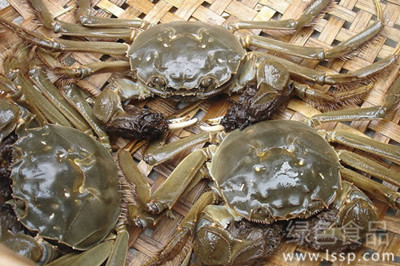
Every year around Frost's Descent, a batch of two-year-old river crabs reaches gonadal maturity, shown by a dark green carapace, male crabs with thick, long, well-developed fuzz on the chelipeds and strong, powerful chelipeds and walking legs, and female crabs whose abdomen becomes oval with small black hairs around the edge. At this time, the osmotic pressure inside the river crabs' bodies rises, and they often die because they cannot adapt to the low-osmotic-pressure freshwater environment. Therefore, these river crabs should be caught and sold in time.
III. Be careful to prevent indigestion in river crabs
In autumn, changes in water temperature and climate easily affect the river crabs' appetite, causing indigestion and then death. At this time, the following prevention and control measures should be taken promptly:
(1) Improve water quality, and regularly splash quicklime water over the whole pond for disinfection;
(2) Feed more high-protein animal bait, add plant-based feed, and at the same time regularly add antibacterial drugs and growth hormones to the food;
(3) When feeding, strictly follow the "four fixed" requirements, and gradually reduce the feeding amount as the water temperature drops.