Rex rabbits have a weaker constitution during the autumn molting period, so feeding and management need to be strengthened
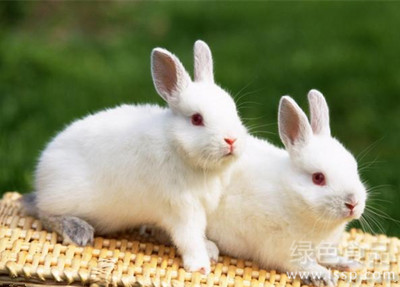
Autumn has high clear skies, dry weather and abundant feed, and the feed is rich in nutrients, so it is also a great season for raising rex rabbits. However, during this period adult rex rabbits enter their second molting season of the year. Rex rabbits have a weaker constitution during the molting period and their appetite declines, so feeding should be strengthened.
Pay attention to disease prevention. The temperature difference in autumn is relatively large, especially in mid and late autumn, and it easily causes diseases such as colds, pneumonia and enteritis in young and growing rabbits, which can cause death in severe cases.Therefore, the hutch should be kept warm in the morning and evening, and windows should be opened for ventilation at noon.
Breeding. Autumn is a good season for rex rabbit breeding. In order to avoid the impact of molting on breeding, mating should be carried out before molting begins; it is best to have does mated and conceived in late summer and early autumn. In this way, not only can breeding be carried out in autumn, but well-fed young rabbits can also be ready for market before Spring Festival, reducing the pressure on rabbit farming caused by feed shortages in early spring, lowering feeding costs and increasing economic returns.
Strengthen feeding. Autumn is both the molting period and the mating and gestation period, so more green, succulent feed should be given, along with an appropriate amount of concentrate rich in protein, and attention should be paid to supplementing sulfur-containing amino acids such as soybean cake; where conditions allow, methionine can be supplemented.
Scientific feeding. Do not feed dew-covered grass or frost- or snow-covered grass, and do not feed toxic feed such as castor bean leaves or cotton leaves after frost; control feed with a relatively high nitrite content such as radish leaves. After autumn, green grass gradually withers and turns yellow, so there should be a transition period from green feed to dry feed.
Feed storage. After the Start of Autumn, even small grasses set seed, various tree leaves begin to fall, and crops are harvested one after another, so forage and feed should be collected and stored in time to prepare for feeding in winter and spring. If collected too late, the forage becomes fibrous and its digestible nutrition decreases.