Four issues to watch out for in chicken farming; neglecting them can easily affect farming profitability
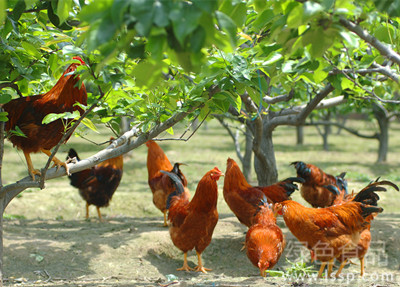
In the process of preventing and controlling avian influenza, we found that many chicken farmers often have some loopholes in the farming process, leading to low farming profitability, and even outbreaks of disease, causing losses.
I. The issue of site selection
In addition to choosing a place that is sheltered from the wind and faces the sun, with high and dry terrain, and convenient access to water and electricity, a chicken farm should also pay special attention to its distance from other chicken farms. In areas where broiler farming is relatively concentrated, there is the problem of chicken houses being too close together and serious environmental pollution. Some chicken houses are only a few meters apart, with no isolation measures, which can easily cause the spread of disease. Some farmers have a weak awareness of disease prevention; after chicken manure is cleared out, it is piled up on the main road, becoming a major source of pollution and posing a potential threat to their own chicken houses and other chicken houses in the area.
II. The issue of implementing the all-in, all-out system
Many large-scale laying hen farms often keep more than two batches of laying hens at the same time. In order to ensure an uninterrupted supply of eggs, they often buy the second batch of chicks before the first batch of laying hens has been culled, so the chicken houses and grounds cannot be thoroughly cleaned and disinfected, which can easily cause disease outbreaks in the flock on the chicken farm.
III. The issue of hygiene systems
Farmers raising chickens mostly do so in a household style; the main labor force serves as both feeder and salesperson, busy inside and out. Due to weak awareness of disease prevention, they often visit each other's homes, do not disinfect before entering the chicken house, and there are no facilities such as disinfection pools at the entrance. In addition, after going to the market to sell chickens and eggs, they enter the chicken house without thoroughly disinfecting. There are also chicken farms that perform necropsies on dead and diseased chickens on the spot, and even eat dead and diseased chickens. These behaviors all bring great hidden dangers to chicken farming and can easily lead to disease outbreaks. Although most farmers pay more attention to controlling the environment inside the house, they neglect controlling the environment outside the house. For example, dead and diseased chickens are discarded at will, and mosquitoes and flies breed. To reduce pathogenic microorganisms in the environment, regular disinfection of the environment on the farm and regular disinfection with the chickens inside the house should be carried out, sanitary dead corners on the farm should be cleaned up, mosquitoes and flies should be eliminated, and breeding grounds for mosquitoes and flies should be eliminated.
IV. The issue of medication
In terms of preventive medication, some chicken farmers are not targeted in their approach and often administer medication continuously throughout the entire raising cycle, resulting in increased farming costs and the emergence of drug-resistant strains; once the flock becomes ill, it is difficult to control effectively. After the flock becomes ill, without a confirmed diagnosis, they use antibacterial and antiviral drugs in large doses (or insufficient doses), and almost no matter what the disease is, they use the same “universal prescription.” This not only increases farming costs, but also causes the flock to develop drug resistance. In order to control the condition well, you should go to a capable veterinary station for a confirmed diagnosis, use medication reasonably according to the veterinarian's diagnosis, and strictly control the dosage and course of treatment.