Preventing Clostridial Disease When Raising Sheep in Autumn: Strengthen Epidemic Prevention Measures
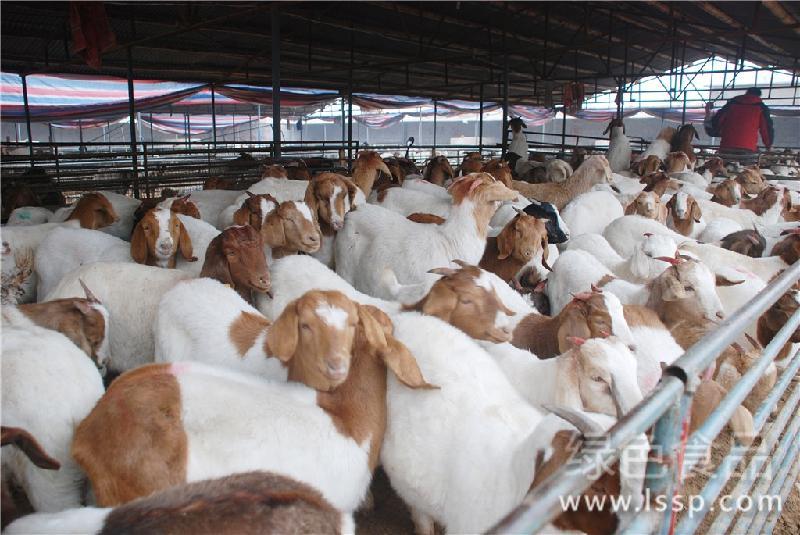
Sheep Raising
Braxy, black disease, enterotoxemia and sheep gangrene are all acute infectious diseases caused by Clostridium septicum, characterized by sudden onset and death of sheep, along with gastric bleeding and necrosis.
Epidemiological characteristics: This disease is generally infected through the digestive tract, and sheep under 2 years of age are more commonly affected. It generally occurs as an endemic disease, mostly in autumn, winter and early spring when the climate changes abruptly and there is continuous overcast and rainy weather. Sheep grazing in low-lying areas, damp land and marshy ground are more susceptible to this disease.
⟧ Main characteristics: Affected sheep often die suddenly before clinical symptoms appear. Sheep with a longer course of disease leave the flock and lie on the ground, unwilling to move, and show incoordination when forced to walk. The abdomen of affected sheep is distended, with pain, difficulty defecating, and some pass black loose stool. Body temperature generally does not rise, though in some cases it rises to 41°C, and within a few hours they die from convulsions or coma.
Prevention: In areas where the disease frequently occurs, regularly inject the triple vaccine against braxy, sudden death and enterotoxemia, or the pentavalent vaccine against braxy, sudden death, enterotoxemia, lamb dysentery and black disease every year. Regardless of size, all sheep are injected subcutaneously or intramuscularly with 5 milliliters. Contaminated pens, grounds and utensils are disinfected with a 3% caustic soda solution or a 20% bleaching powder solution. Sheep in the same flock as affected sheep are given emergency preventive inoculation, and 2% copper sulfate is administered orally at 100 milliliters per sheep.
Treatment: Because the course of this disease is short, there is often no time for treatment. Therefore, routine epidemic prevention measures must be strengthened. For cases with a relatively longer course, symptomatic treatment may be given, using cardiotonics, intestinal disinfectants, antibiotics and other drugs.