What are the pros and cons of feeding pigs with swill? Proper fermentation is key
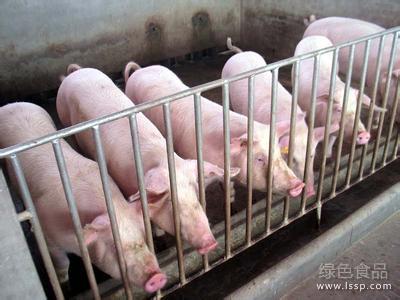
Pig farming
A large amount of swill comes from canteen and restaurant waste, and our own domestic wastewater also accounts for a significant portion. It is low in cost and rich in nutrients, making it a good feed for pigs. However, swill cannot be used directly to feed pigs; it must be processed and treated before feeding.
At present, most regions explicitly stipulate that it is prohibited to use swill and kitchen waste from hotels, restaurants and collective canteens to feed animals. The main reason is that most swill is not separated into raw and cooked portions, making it easy for it to become a source of animal disease transmission.
I. Benefits of feeding pigs with swill:
Low cost of raising pigs and rich in nutrients. It is understood that swill includes water from washing rice, rice broth, noodle soup, leftovers, fish and meat residues, and kitchen scraps. It has the advantages of many varieties, rich nutrition, high digestibility and high fat content. Swill from restaurants contains more animal fat and also has a high water content. According to analysis, every 4 kg of concentrated swill is equivalent to 1 kg of concentrate feed. According to the composition of the swill and the body weight of the pigs, the amount of concentrated swill used should not exceed 50-70% of the daily ration.
II. Disadvantages of feeding pigs with swill:
① Most swill is not separated into raw and cooked portions, making it easy for it to become a source of animal disease transmission. ② Swill is generally used to feed pregnant and lactating sows and newly weaned piglets. Because the nutritional composition of swill is unstable and the quantity fluctuates, it easily causes nutritional imbalance, or because the fat content is too high, the sow's milk becomes too rich, and the piglets cannot digest it, causing diarrhea or gastrointestinal diseases.
III. Correct and scientific methods of using swill to feed pigs:
1. It must be collected by category so as to grasp the quality of the swill when feeding pigs. Rotten vegetable leaves and spoiled food should be removed. Swill contains a lot of organic matter and should be transported promptly to prevent spoilage.
2. After the swill enters the pig farm, it must be boiled promptly to kill pathogenic microorganisms in the swill and prevent infectious diseases such as swine fever or food poisoning and gastroenteritis. The meat, poultry and eggs purchased by the catering industry come from complex sources. If they have not been quarantined and are not boiled for disinfection, the threat to pig health is even greater.
3. Remove foreign objects. Swill often contains foreign objects such as toothpicks, bones, fish bones, chopsticks, broken bowls and dishes, and cigarette butts. When collecting, a wire mesh basket can be used to scoop them out to avoid digestive tract damage, and in severe cases, esophageal or gastric perforation, which occurs from time to time in clinical practice. Alkaline detergents used to wash tableware in restaurants must not be mixed with swill. If pigs eat this kind of swill, alkali poisoning also occurs from time to time.
4. Swill should not be fed to pigs alone. Wheat bran, soybean meal, green feed and tubers should be added to balance nutrition. When swill is heated and boiled, more vitamins are lost, so green feed or water-soluble vitamins can be supplemented. Swill mainly composed of leftovers should be supplemented with soybean meal to make up for the protein deficiency, and minerals and trace elements such as calcium, phosphorus, copper, iron and zinc should be added, but no salt is needed. Swill with a lot of salt should be diluted with water to prevent salt poisoning.
5. There are also reports of Sarcocystis infection in pigs fed with swill. According to a survey by the Animal Husbandry and Veterinary Health Supervision and Inspection Institute of Linfen City, Shanxi Province, of 51,610 fattening pigs at designated slaughterhouses, the infection rate of Sarcocystis in pigs fed with swill was 19.6%, while the infection rate in fattening pigs fed with compound feed was only 0.1%. Sarcocystis is a parasitic disease shared by humans and animals, and humans are also the final host of Sarcocystis, so boiling swill at high temperature is even more necessary to kill this disease.
6. Strengthening immunization injections against infectious diseases and disinfection work on the farm is an extremely important epidemic prevention measure when feeding pigs with swill. In addition, attention should also be paid to keeping the trough clean and preventing leftover feed from spoiling.
7. Microorganisms can be used to ferment swill into safe feed
1) Fermentation method. Ferment 40—50% of the swill with a swill feed fermentation agent. The formula is: mix wheat bran, rice bran and swill in a ratio of 30%:30%:40%. If there is a lot of water, it is best to drain it. Add the swill feed fermentation agent at 2 per thousand, stir evenly, and control the moisture content at 65%. The way to judge whether the moisture content is appropriate is: tightly squeeze the mixed material with your hand; it can form a ball, does not drip when water is visible, and breaks apart when it falls to the ground. Then, put it into a fermentation pit for sealed fermentation, and fermentation can be completed in 3-5 days. After each use, cover it tightly again, and it can be kept for more than half a year without spoiling. When feeding pigs, depending on the size of the pigs, add 20-60% and mix it with unfermented swill before feeding, and deworm once a month.
2) Benefits of using microbial fermentation of swill.
① It eliminates the trouble of traditional steaming and boiling: generally, when using swill to feed pigs, coal must first be burned for steaming, boiling and cooking, which is very troublesome, time-consuming, labor-consuming and money-consuming, and equipment also has to be purchased. Moreover, unfermented swill can only be fed to large pigs weighing more than 100 jin.
② The changes in the physicochemical properties of swill make pig feeding more convenient: according to Mr. Dai's experiments, fermented swill can be used to feed piglets weighing 50 jin without causing diarrhea. On the contrary, unfermented swill, even if boiled, cannot be fed to piglets weighing less than 100 jin. As a result, the cost of raising pigs has been greatly reduced.
③ Fermented swill can be used to replace 80% of the wheat bran, cornmeal, etc. in complete feed.
④ Swill can be stored purposefully for more than half a year.