How to scientifically design pig pens for ecological pig farming? Changing traditional thinking is key
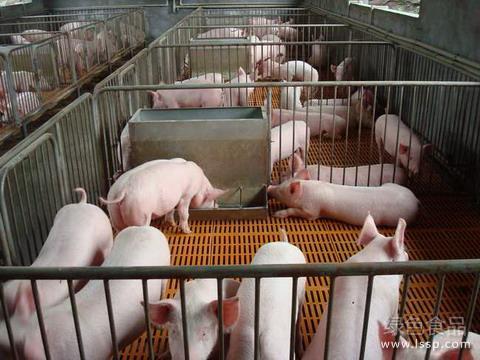
Pig pens
Pig pen construction is a profound science that requires constant summarization and improvement. For pig pens in lazy-man pig farming, it is necessary to combine the excellent achievements of traditional pig pen design, but at the same time, traditional thinking patterns should not be used to limit our design ideas. Creative thinking is needed to guide and continuously innovate pig pen design.
I. Basic concepts of pig pen design
A scientific ecological lazy-man pig farming pig pen makes the greatest possible use of natural resources, such as sunlight, air, airflow, wind direction and other free natural elements, and uses as little modern energy or materials such as water, electricity and coal as possible; it makes the greatest possible use of biological and physical conversion, and uses as little chemical conversion as possible.
II. Guiding ideology of pig pen design
First, it is conducive to giving play to its role, saving labor and improving efficiency. Second, it is conducive to saving land area and controlling an appropriate density of pigs. Third, it is conducive to the growth and development of various types of pigs and to improving the climate environment inside the pen as much as possible. Fourth, it controls suitable construction costs.
III. Basic principles of pig pen design
In lazy-man pig farming pig pen design, the following principles also need to be considered in advance, and these principles all need to be guaranteed by the production system and pens: First, the "zero" mixing principle. Pigs from different sources are not allowed to be mixed, so the preparation of isolation pens needs to be considered. Second, the optimal stocking principle. The utilization of pens should always be maintained, so a balanced production system needs to be determined. Third, the principle of grouping pigs by age: pigs at different stages cannot be kept together, which is the basis of an all-in, all-out system.
IV. Requirements of the internal and external environment for pig pen design
Between the pig herd and the environment, material and energy exchange is taking place at all times. Under normal circumstances, the pig body can maintain balance with the environment and form a virtuous cycle, which can prompt pigs to give play to their growth potential. Therefore, in order to ensure the normal life and production of the pig herd, climatic conditions suitable for the physiological needs of pigs must be created artificially.
Pig pens
V. Site selection and overall layout
1. Site selection
The architectural design of ecological lazy-man pig farming is not much different from the site of traditional intensive pig farms, and is more flexible than traditional pig pens. The following aspects should mainly be comprehensively considered and analyzed:
2. Geographical location
Determine the location of the site, keeping it as close as possible to feed production areas and with relatively good transportation conditions. Because lazy-man pig farming achieves zero discharge of manure and sewage, the pig farming environment is significantly improved. Therefore, when selecting a pig farm site, while combining it with regional planning, emphasis should be placed on the overall epidemic prevention of the pig farm. It should be far from live pig wholesale markets, slaughter and processing enterprises, scenic spots and major traffic routes. Generally, it is required to be at least 1 km away from livestock product processing plants; at least 300 m away from major roads, and at least 100 m away from ordinary roads. A dedicated pig farm passage can be set up to connect with major traffic routes; and the distance from the nearest village should preferably be no less than 2 km; high-voltage lines must not pass above piglet pens and nursery pens.
3. Terrain and topography
The site of a lazy-man pig farm is required to be relatively high, dry, gentle and sunny. The site should be at least above the local historical flood water level, and the groundwater should be below 2 m, so as to avoid the threat of floods and reduce ground moisture caused by the rise of the soil capillary water level. If the terrain is low-lying or the ground is wet, pathogenic microorganisms and parasites are likely to breed, machinery and equipment are prone to corrosion, and even various diseases in the pig herd may continuously occur. If an underground or semi-underground fermentation pen is used, the groundwater level should be fully considered; otherwise, the bedding will be too wet, which will affect the fermentation effect and also reduce the service life of the bedding. In places with relatively high groundwater levels, an above-ground fermentation bedding pit is more suitable. In plain areas, a relatively high, flat place with a certain slope is suitable, so as to facilitate drainage and prevent water accumulation and muddiness. A ground slope of 1%-3% is ideal. In mountainous areas, sunny slopes should be chosen, which not only facilitate drainage but also provide sufficient sunlight and can reduce the influence of cold air currents in winter. The terrain should preferably be open and neat, and should not be too narrow and long or have too many corners; otherwise, it will affect the reasonable layout of buildings, make sanitation and epidemic prevention and production connections in the farm area inconvenient, and prevent the site from being fully utilized.
4. Soil quality
In addition to having a certain bearing capacity, the soil for ecological lazy-man pig farming pig pens should also have strong air and water permeability, weak capillary action, low hygroscopicity and thermal conductivity, and uniform texture. Sandy soil has relatively large particles; in summer, the heat emitted by sunlight is large, and coupled with the soil's high thermal conductivity and small heat capacity, it easily warms up and also easily cools down, with an obvious temperature difference between day and night. This characteristic is unfavorable to pigs. Clay soil has fine particles and small pores, poor air and water permeability, strong hygroscopicity and significant capillary action, so the soil easily becomes moist and often becomes muddy due to rainy weather, hindering the normal operation of pig farm work. Sandy loam soil has the advantages of both sandy soil and clay soil: good air and water permeability, no muddiness in the rainy season, low thermal conductivity, relatively large heat capacity, and relatively stable soil temperature, making it relatively suitable for the growth and development of pigs, sanitation and epidemic prevention, and greening and planting.
5. Water and electricity
Because ecological lazy-man pig farming does not use water to wash the pens, the large amount of water used is mainly for pigs' drinking water, while ensuring bedding moisture control, utensil washing, and water for employees and greening. The water quality should be good and meet human drinking water standards. For dead water in small ponds and bays and bitter well water, because they contain more microorganisms, parasites and more impurities, they are not suitable as water sources for pig farms. Because pig pens mostly use natural light, the electricity used on the pig farm mainly ensures the power supply for related facilities and equipment and nighttime lighting.
6. Land area
In short, the site selection of ecological lazy-man pig farming pig farms involves many factors and must be treated seriously, investigated thoroughly, adapted to local conditions, comprehensively considered, and determined after repeated comparisons.