What issues should be paid attention to during the peak laying period of laying hens in early winter?
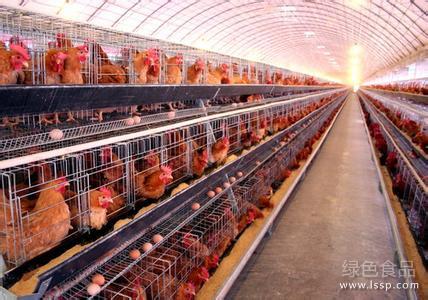
Laying hen farming
Early winter is the season when spring-raised laying hens have just entered the peak laying period, and it is also the season when green feed and feed rich in vitamins are scarce. The key is to grasp the following points to ensure high and stable production of laying hens.
Adjust humidity and provide appropriate ventilation
The humidity in the chicken house must not be too high, otherwise the chickens will show dirty and messy feathers, poor appetite, weakness and susceptibility to disease, thus delaying the start of laying. If ventilation is poor, harmful gases in the air increase and oxygen content decreases, which will likewise cause poor development of replacement pullets and delay the start of laying. Therefore, when the humidity in the chicken house is too high, add more dry litter and ventilate appropriately to reduce humidity.
Switch to pre-laying feed at the appropriate time
When laying hens reach 20 weeks of age, they should be switched to pre-laying feed. The calcium content in the feed should be 1%-1.2%, and the crude protein content should be 16.5%. The entire feed transition process should be completed gradually over half a month to prevent diseases such as diarrhea in laying hens caused by too sudden a feed change. After the laying rate reaches 3%, the feed calcium should be 3.5%, and the crude protein should be 18.5%-19%.
Adjust the chicken house temperature in a timely manner
The most suitable laying temperature for laying hens is 18°C-23°C. When the chicken house temperature is too low and feed is not increased in time, laying hens will delay the start of laying due to insufficient energy, and even if they start laying they will quickly stop production.
Control lighting and adjust it at the appropriate time
Replacement pullets hatched in spring generally enter the sexual maturity stage at 15 weeks of age, and the natural photoperiod gradually shortens during this period. The shorter the light duration, the longer it takes to reach sexual maturity, so supplemental lighting should begin after 15 weeks of age to meet the chickens' sexual maturity needs. The light duration should be maintained at the number of light hours at 15 weeks of age, but the light intensity must not be too strong, to prevent bad habits such as feather pecking, toe pecking, and back pecking. The suitable light duration for first-lay hens is generally 13-17 hours per day.
Properly control the body weight of laying hens
While changing feed and supplementing calcium, it is necessary to manage the uniformity of flock development, raise large and small hens in separate groups, and adjust groups regularly. Never suddenly increase or suddenly decrease feed.
Supply sufficient drinking water and increase nutrition
Drinking water is very important for first-lay hens; generally one hen needs 100-200 grams of water per day. Therefore, laying hens cannot lack water. It is best to use flowing water troughs for water supply, and 2-3 times per week light salt water can also be supplied to improve the physique of laying hens and increase feed intake. In addition, some carrots or green feed can be added daily to improve the quality of eggs.