How to prevent miscarriage in cows: improve nutrition and strengthen management
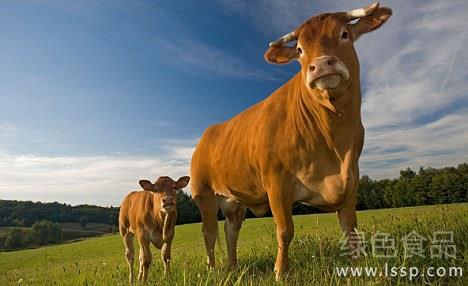
Cow
When a cow gives birth before the full term of pregnancy, before the calf has fully developed, this is called miscarriage, or premature birth. There are many causes of miscarriage in cows. Poor nutrition and a thin, weak constitution in the cow; overwork during the busy farming season, or heavy labor; careless feeding, eating moldy, rotten feed or poisonous weeds, or drinking cold water in winter; improper management that exposes the cow to cold or heat, or whipping, falls, disease, and so on can all cause miscarriage in cows. Therefore, after a cow conceives, measures should be taken to prevent miscarriage and ensure the birth of a healthy, strong calf.
1. Improve the nutrition of pregnant cows. After a cow has been pregnant for 3 months, nutrition should be gradually increased. After 6 months of pregnancy, the fetus grows and develops fastest and needs more nutrients, so in addition to feeding green grass, supplemental feed with higher protein content should be given, such as broad beans, wheat bran, bean dregs, etc.; some salt should also be added to the feed (about 30 grams per cow per day), as well as mineral feeds such as bone meal. At the same time, attention should be paid to the cleanliness of the feed; moldy, rotten, or frost-covered forage must not be fed to cows, and water that is too cold should not be given to cows to drink, so as to avoid miscarriage and ensure the normal growth and development of the fetus.
2. Strengthen the management of pregnant cows. Pregnant cows are best grazed alone or in groups. The pen holding pregnant cows should be spacious, dry, clean, well lit, and well ventilated, able both to resist winter cold and to prevent summer heat. When pregnant cows enter and leave the pen gate and during grazing, prevent them from crowding and butting each other, fighting, or running and jumping violently.
3. Use pregnant cows for work reasonably. After a cow has been pregnant for 6 months, she should only do light work, not push the millstone or pull the mill, and during work she should not make sharp turns or be struck with a cold whip. 30 days before calving, work should be stopped. After a pregnant cow stops working, she should exercise 2—3 hours every day, which can help avoid difficult birth.
4. If a pregnant cow is found to be ill, a veterinarian should be called for treatment as early as possible.