Causes and Prevention and Treatment Measures of Calcium Deficiency Paralysis in Sows
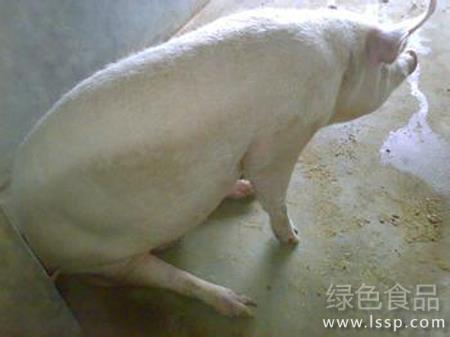
Sow Paralysis
Paralysis caused by calcium deficiency in sows is a common nutritional and metabolic disease in veterinary clinical practice. It mainly occurs in pregnant sows due to insufficient calcium-containing substances in the feed or, before and after farrowing, due to improper nutritional balance in the feed, resulting in insufficient intake of calcium-containing substances. The specific prevention and treatment measures for this pig disease are as follows:
I. Causes of the Disease
(1) It is mainly caused by improper feed formulation for pigs, poor feeding management, and a severe lack of minerals such as calcium and phosphorus in the feed; the uneven matching of feed nutrients leads to insufficient intake of calcium-containing substances by pigs, thus causing sow paralysis.
(2) Because the fetus in the womb of a pregnant sow absorbs a large amount of nutrients from the mother's body, the maternal blood calcium concentration is greatly reduced. If nutrients, especially elements such as calcium and phosphorus, cannot be supplemented in a timely and sufficient manner, the occurrence of this disease will be induced.
(3) In postpartum sows, because piglets absorb a large amount of nutrients from the mother's milk, and if the piglets are weaned too late, if nutrients cannot be fully supplied, especially those feeds rich in elements such as calcium and phosphorus, then the sow's blood calcium concentration will drop rapidly, thereby inducing the occurrence of this disease.
II. Symptoms of the Disease
In most cases, body temperature is normal, and pulse and respiratory rates are normal or slightly increased. Occasionally, in secondary infections, body temperature rises, and pulse and respiratory rates increase markedly. Most affected sows sway in the hindquarters in the early stage, and later become depressed; in severe cases they are in a state of lethargy, and the hindquarters are insensitive to painful stimuli. Urine is pale yellow or yellow, and feces are dry and ball-shaped. Appetite and thirst decrease; mildly affected pigs can still barely support themselves for a while, but none can persist for long. During feeding, some sick pigs try to stand, but due to weakness of the limbs, their legs tremble constantly, they cannot stand steadily, and they scream incessantly; they can only kneel on the forelimbs and lie down to eat with the hindlimbs in a splayed position. Most sick pigs are in poor body condition. Some sick pigs, due to lying down for a long time, lose hair and develop skin ulceration. In some sick pigs, because the ulcerated skin becomes infected, pus flows from the sores.
Sow Paralysis
III. Preventive Measures
(1) Adding calcium powder, bone meal and other raw materials rich in minerals to the feed can reduce the incidence of this disease.
(2) In the feed, the calcium-to-phosphorus ratio should preferably be 2:1. Let pigs get more sunlight, or supplement vitamin D.
(3) Strengthen feeding management, scientifically and reasonably formulate feed, and do not feed whatever is available; full-price nutrition is required.
IV. Treatment Plan
(1) For mild cases, inject 4 ml of vitamin D colloidal calcium intramuscularly in a single dose, once every other day, for 3-5 consecutive times. If the condition improves, the dosage may be reduced as appropriate. For those sick sows that still have some appetite and thirst, bone meal and calcium powder can be added to the feed to strengthen nutrition. To prevent secondary infection, an appropriate amount of antibiotics may be used for symptomatic treatment.
(2) For more severe cases, especially sick pigs that have been lying down for a long time, have poor physique, have completely lost appetite, and already have bedsores on the body surface, topical anti-inflammatory drugs may be used externally for local treatment. For more severely affected pigs, they can be manually turned over, generally 4-6 times a day, to prevent the occurrence of bedsores. For sick pigs, 150 ml of 10% calcium gluconate may be slowly injected into the ear vein, or 20-50 ml of 5% calcium chloride injection may be slowly injected intravenously, once a day, for 3-5 consecutive days, with the amount increased or decreased as appropriate. For sick pigs that have completely lost appetite, intravenous drip may be used: mix 30 ml of 5% calcium chloride injection with 1000-2000 ml of 5% glucose saline for intravenous drip, or use 100-200 ml of calcium gluconate injection for intravenous drip. For severely affected pigs, while using intravenous medication, 2-3 ml of vitamin D colloidal calcium may be injected intramuscularly, once every other day, for 3-5 consecutive times, with the amount increased or decreased as appropriate. To prevent secondary infection, antibiotic drugs may be appropriately selected.