What causes delayed peak laying and a short laying period in laying hens?
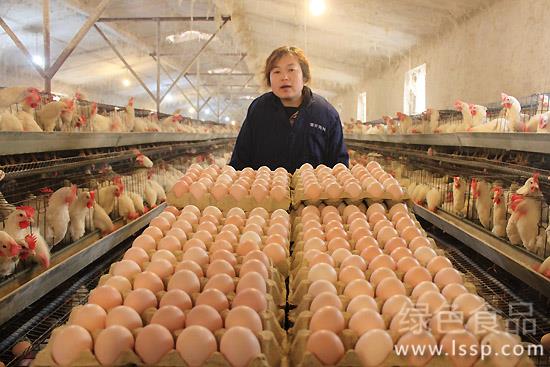
Laying hen farming
In recent years, many chicken farmers have commonly reported that laying hens fail to reach the expected peak laying rate, or that the peak laying period is maintained only briefly. Analysis suggests the following possible reasons:
1. Infectious disease factors
Subclinical infection by certain diseases, such as improper Newcastle disease vaccination before the start of laying leading to subclinical Newcastle disease infection at 150 days of age, or negligence in disinfection allowing the presence of colibacillosis; the presence of mild avian influenza; chicks having suffered from infectious bronchitis. This low-pathogenicity avian influenza and infectious bronchitis often cause severe damage to the reproductive system.
2. Occurrence of salpingitis and ovaritis
Because laying hen farms in China generally have poor rearing environments and inadequate disinfection, laying hens need regular anti-inflammatory treatment of the oviduct every 30 days; otherwise, latent bacteria and viruses seize the opportunity to invade the ovaries and oviduct, causing oviductitis or ovaritis.
3. Drug poisoning
During disease prevention or treatment, the use of drugs contraindicated for laying hens, such as sulfonamides and sulfonamide-containing synergists, aminophylline, or chlortetracycline which affects calcium ion synthesis, as well as irreversible damage to the reproductive system caused by certain antiviral drugs, etc.
4. Nutritional factors
A nutritionally complete feed is the primary condition for ensuring the laying rate. Feed with low nutritional value fails to meet the requirements for high production. Or, after the laying hens start laying, there is a failure to supplement sufficient calcium source and protein, or stress from frequently changing feed, as well as a decline in nutritional level caused by switching from high-quality feed to inferior feed, etc.
5. Stress from environmental and rearing management factors
Harsh climate, such as sustained high or low temperatures, muggy heat, and excessive humidity, which laying hens find hard to adapt to and which affects them; poor ventilation, with excessively high ammonia concentration in the house, causing stress through long-term irritation of the respiratory mucosa; light can stimulate gonadotropin secretion and has a very obvious effect on laying performance. Light during the laying period is generally 16 hours, with a light intensity of 10 lux to 20 lux.