Fine-tuned management is essential during the key growth and development period of rabbits
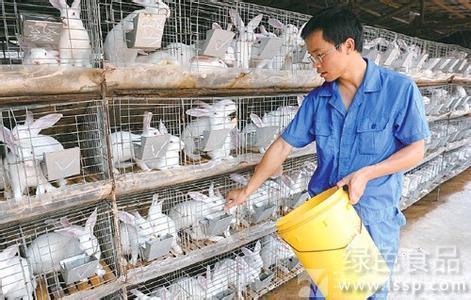
Rabbit farming
Autumn is the stage for breeding, pregnancy, and kindling of domestic rabbits, and also the molting period. It is a very critical period for the growth and development of domestic rabbits and the formation of their fur. Farmers should strengthen management, feed scientifically, and regularly observe the rabbit herd to ensure healthy growth of the rabbits.
I. Strengthen management
In autumn, the appetite of the rabbit herd is generally good, and feed intake increases. Adult rabbits need to gain fat and molt, and continue to grow and develop their body shape; breeding does need to conceive and kindle; breeding bucks need to improve their mating ability; and the newborn kits and newly weaned young rabbits all require scientific feeding and management.
For breeding rabbits, concentrate feed should be added to improve nutrition, so as to support mating, pregnancy, kindling, and normal lactation, making the newborn kits robust and well developed.
For newly weaned young rabbits, because they eat a lot, are greedy eaters, and grow and develop quickly, after the weaning adaptation period their growth and development enter a peak stage, and it is also their first age-related molt after birth. They need to be fed high-quality forage and nutrient-rich concentrate feed, but young rabbits have poor digestive system function, poor disease resistance, and poor environmental adaptability. At this time, special attention should be paid to the feeding and management of young rabbits. According to their age in months, reasonably arrange feeding frequency and feeding amount. The feed given should be nutrient-rich, easy to digest and absorb, small in volume, and good in palatability, to avoid bloating and diarrhea caused by young rabbits overeating. Coarse feed should mainly be high-quality green grass, while concentrate feed includes wheat bran, corn, sorghum, soybean meal, peanut meal, etc. A small amount of fish meal or meat-and-bone meal can also be added, along with an appropriate amount of onion, garlic, and sulfonamide synergist, to strictly prevent the occurrence of gastroenteritis and coccidiosis and reduce the mortality rate. In addition, reasonable separation into nests and differentiated feeding are also management points that cannot be ignored. When separating young rabbits into nests, they should generally be separated according to sex, age in months, physical strength, activity level, speed of eating, and other specific conditions, for individualized feeding and management, so as to benefit the growth and development of each young rabbit.
II. Scientific feeding
In autumn, the temperature difference is large. On sunny days the temperature is high, while on rainy days cold winds strike and the temperature can drop suddenly, which can easily cause respiratory and digestive system diseases in the rabbit herd, making domestic rabbits suffer from colds, diarrhea, and loose stools, thereby soiling the back fur and cages, reducing appetite, causing weight loss, and affecting growth. Therefore, feed should be adjusted to prevent disease from entering through the mouth.
Never feed rain-soaked wet grass, dew-covered grass, grass with soil, or stale forage. Forage, leaves, vegetable leaves that have become spoiled from damp heat and poor ventilation, moldy new corn, and damp or spoiled grain-type feed must not be fed. When the weather turns cool, the amount of drinking water should be appropriately reduced, and fewer succulent forages with high moisture content should be fed.
To strictly prevent diarrhea in domestic rabbits, when feeding concentrate feed, an appropriate amount of charcoal powder, garlic, onion, or chives can be added.
III. Frequent observation
This autumn there is a lot of rain and abundant forage, which provides favorable conditions for rabbit farming, but the frequent autumn rain and changeable weather are also unfavorable factors for rabbit farming. Farmers should take countermeasures according to the characteristics of this autumn.
1. Keep the rabbit farm clean, dry, and well ventilated, pay attention to rain sheltering, and prevent disturbance from cold winds. Farmers should persist in cleaning feces from the ground every day and spread a layer of dry soil or plant ash, cinder ash, quicklime, etc. to absorb moisture and disinfect. Every 3-4 days, use a 5% Lysol aqueous solution to spray the ground and the surrounding environment of the rabbit farm. After washing feeding boxes, drinking basins, and other utensils, disinfect them with a 1% potassium permanganate aqueous solution. Cages, rabbit houses, and hay racks should be sterilized with an alcohol torch flame, to strictly prevent the occurrence of coccidiosis and infectious diseases.
2. Regularly and purposefully observe the rabbit herd and look for problems. Be diligent with the eyes, hands, and mind, and achieve early prevention, early detection, and early treatment. Specifically, observe changes in the body surface of the rabbit herd and correctly grasp the differences between healthy rabbits and sick rabbits, as shown in spirit, changes in mouth and nose, amount of eating, whether feces are normal, and whether the fur appearance is glossy and neat. For example, healthy rabbits with normal growth have good body condition and development, oily and shiny fur, agile movement, bright and spirited eyes, upright and reddish ears, clean inside the ear shells, good appetite, fast eating, uniform-sized fecal pellets that are dry black or gray-black, and no dirt at the anus. For any abnormalities on the body surface, promptly confirm the diagnosis and treat according to the symptoms. Some farmers, because of negligence, only notice when the rabbits in the herd become ill, and as a result are caught unprepared and suffer heavy losses. This should be taken as a warning.