Disinfection Must Be Targeted: Specific Measures for Disinfection to Prevent Disease in Silkworm Rearing
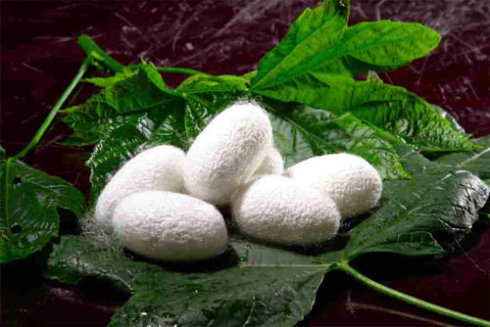
Silkworm rearing
Disinfection is one of the important measures for achieving stable and high yields in silkworm rearing. Strengthening the targeting of disease-prevention disinfection is the key to improving disinfection effectiveness. At the same time, disinfection for disease prevention must not only be done well before silkworm rearing, but also during and after the rearing period. To enhance targeting, the following aspects should be emphasized in the selection of disinfection methods and disinfectant drugs:
1. Cleaning and washing are the foundation. Thorough and comprehensive cleaning and washing are the foundation for eliminating pathogenic microorganisms of silkworms and can remove more than 70% of bacteria and viruses. The dust and garbage from cleaning should be collected, piled, buried, and disinfected. For example, silkworm litter should be buried in pits far away from silkworm rooms and mulberry fields, sealed with mud, and allowed to ferment and heat up so that high temperatures kill pathogens. Silkworm tools should be washed clean in running water; never wash silkworm tools in stagnant ponds.
2. Choose targeted disinfectant drugs to improve disinfection effectiveness. Based on common local silkworm diseases, especially the characteristics of silkworm diseases in the previous season, select targeted drugs and broad-spectrum disinfectant drugs for disinfection in stages to improve effectiveness. For example: to mainly kill viruses, use lime slurry or formalin-lime slurry for soaking; to mainly kill fungi, use the antibacterial agent “402”; for comprehensive disinfection, use Quanshawei, bleaching powder, or Duxiaosan. In disease prevention during the rearing period, to prevent bacterial silkworm diseases, use antibiotics such as Kejunling and norfloxacin; to prevent fungal silkworm diseases, use “402” or anti-stiffening powder; to prevent viral silkworm diseases, use fresh lime powder; to control maggot disease, use Miecanying, etc.
3. Strengthen management after disinfection. For silkworm rooms and tools that have been cleaned and disinfected, prevent secondary contamination and store them properly. For tools frequently used during the rearing period, pay attention to daily disinfection to ensure disinfection effectiveness, such as mulberry-picking tools, silkworm bed lining paper, covering film, and mulberry-cutting knives.