Nine major disease prevention and control methods for free-range chickens, effectively improving the survival rate
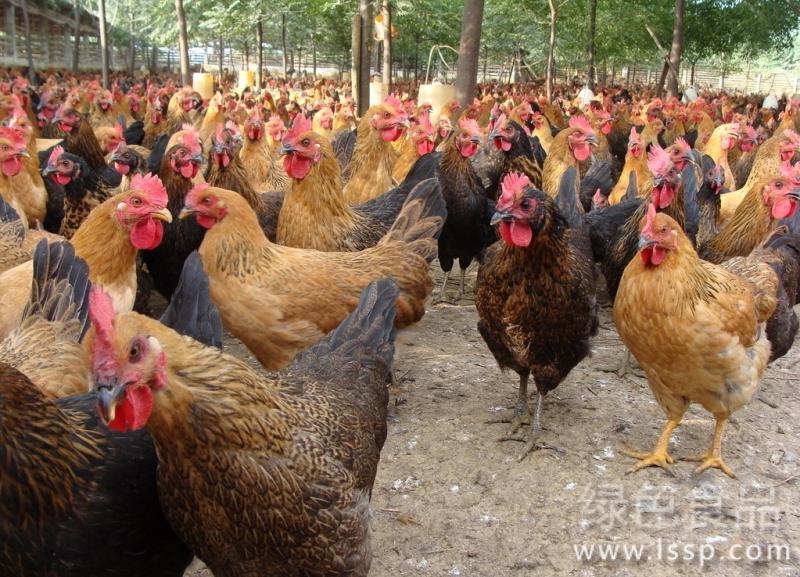
Free-range chicken farming
Free-range chickens have strong disease resistance, and some diseases that easily occur in improved-breed chickens rarely occur in free-range chickens. The main diseases affecting the health of free-range chickens include 3 viral diseases, 3 bacterial diseases and 3 parasitic diseases. Targeting the diseases to which free-range chickens are susceptible and, in combination with local epidemic conditions, carrying out corresponding prevention and control work can effectively improve the survival rate of free-range chickens.
I. Prevention and control of 3 viral diseases
1. Newcastle disease: caused by Newcastle disease virus, generally manifested as difficulty breathing, diarrhea, green feces, depression and neurological symptoms, swelling of the head and face, cessation of egg laying, etc.; the mortality rate of susceptible flocks is often as high as 90%-100%. Preventive measures: for chicks at 7-10 days of age, use Newcastle disease strain IV vaccine for the first immunization by drinking water or nasal drops; at 18 days of age, give the second immunization; at over 60 days of age, use Newcastle disease strain I vaccine by intramuscular injection;
2. Infectious bursal disease: caused by infectious bursal disease virus; symptoms are sick chickens passing white or light green loose droppings, listlessness, drooping head, closed eyelids, ruffled feathers, and finally death from extreme exhaustion. Preventive measures: at 14-21 days of age, use attenuated bursal disease vaccine in drinking water, with 2% skim milk powder added to the water.
3. Fowl pox: caused by fowl pox virus; nodules can be seen on various parts of the sick chicken's body, and in the diphtheritic form of fowl pox, ulcers or yellowish-white lesions can be seen on the mucous membranes of the oral cavity, esophagus and trachea. Preventive measures: at 14-21 days of age, use fowl pox vaccine by wing-web puncture.
II. Prevention and control of 3 bacterial diseases
1. Pullorum disease: caused by Salmonella; sick chickens show poor spirit and appetite, drooping wings, ruffled feathers, a tendency to squat, and yellow-white or green droppings. Prevention and control measures: use norfloxacin, ciprofloxacin or enrofloxacin in drinking water.
2. Fowl cholera: caused by Pasteurella multocida; in the peracute form, sick chickens die suddenly; in the acute form, sick free-range chickens have ruffled feathers, do not eat, breathe rapidly, discharge foamy mucus from the nostrils and mouth, pass yellow, gray or green loose droppings, have body temperature rising to 43°C-44°C, become comatose, and die within 1-3 days; the chronic form shows arthritis, lameness, difficulty breathing, etc. Prevention and control measures: after 30 days of age, use inactivated fowl cholera vaccine by intramuscular injection; after onset, treatment with sulfonamides, penicillin, streptomycin and erythromycin is effective.
⟧ 3. Colibacillosis: caused by Escherichia coli; chicks show anorexia, ruffled feathers, reluctance to move, and finally death; adult chickens have shrunken combs, pale faces, and some have diarrhea. Local infections show local clinical symptoms, such as arthritis, ophthalmia and accompanying respiratory symptoms. For prevention, use E. coli oil-emulsion vaccine by intramuscular injection at 1 month of age; for treatment, antibiotics (such as kanamycin, neomycin, chloramphenicol and streptomycin), sulfonamides and nitrofurans are all effective.
III. Prevention and control of 3 parasitic diseases includes tapeworm disease, roundworm disease and coccidiosis.
1. After free-range chickens are infected with tapeworms and roundworms, they show stunted growth and development, pale combs, anemia, ruffled feathers, drooping wings, enteritis and diarrhea, etc. Albendazole at 5 mg per kg of body weight can expel these two parasites.
2. Chicks from half a month to 3 months of age are most susceptible to coccidiosis, often showing symptoms such as anemia, emaciation, diarrhea and blood in the feces. Drugs for expelling coccidia include robenidine, furazolidone, sulfaquinoxaline and Sanzi coccidiosis powder.