What to do when mink give birth to few kits? Cause analysis and solutions
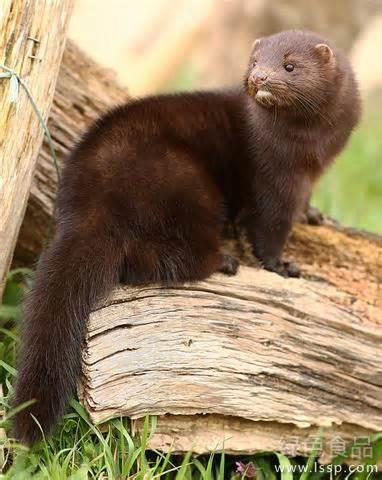
Mink
Mink are seasonal breeding animals, coming into estrus and mating in late February each year, and giving birth from late April to May. The gestation period of female mink is 47±2 days. The average number of kits per litter is 6.5. If the breeding mink on a farm produce 2-5 kits per litter, with an average below 4, then the litter size is on the low side. In production practice, there are several reasons for small litter sizes.
1. Genetic factors. Some mink naturally produce few kits because of genetics. No matter how they are fed and managed, they produce only 2-3 kits. When selecting breeding stock, take care to cull mink that produce few kits, and choose those females that produce 8 or more kits per litter as breeding stock. Select strictly; do not make do. Females that produce many kits but have a low survival rate should also not be kept as breeding stock and must be culled, so as to fundamentally improve the reproductive performance of the mink.
2. Feeding and management factors during the pre-mating preparation period. On some mink farms, poor nutrition or poor management during the pre-mating preparation period results in inadequate follicular development, few mature follicles, indistinct estrus, silent estrus and short estrus in the mink, leading to smaller litter sizes. For example, excessive body condition adjustment in the later part of the pre-mating preparation period causes slow or arrested ovarian development and few mature follicles, reducing the number of kits born. In addition, on some mink farms the animal feed fed during the pre-mating preparation period is not fresh and insufficient vitamin E is added, so the reproductive organs of female mink do not develop fully and the uterus and ovaries remain infantile, which is also a reason for reduced litter size or failure to come into estrus and difficulty in mating.
The central task of the pre-mating preparation period is to promote the normal development of the mink's reproductive organs and adjust body condition. The diet should supply sufficient vitamin A, vitamin E and B vitamins to ensure the normal development of the mink's reproductive organs.
3. Male mink factors. Semen quality of male mink declines. In production practice it has been found that on some mink farms the females mated early all produce many kits, while those mated late all produce few, because the stud males are overused for mating and their semen quality declines later in the season, resulting in fewer kits. For example: on a certain mink farm there were 122 breeding females and 35 stud males kept; at mating time only 13 had libido and could mate, while the other 22 males had no libido and could not mate. Only 13 stud males could be used to mate 122 females, so the males were overused and semen quality declined. As a result, the females mated at the beginning all produced more than 5 kits, with an occasional 10, averaging 6 kits. But the females that came into estrus late and were mated later produced 2-4 kits because the males were overused for mating and semen quality had declined.
⟧ To solve the problem of stud males being unable to mate, feeding and management must be strengthened during the pre-mating preparation period so that the testes of stud males develop normally and testicular softening and low libido are prevented and treated. The diet of stud males should be based mainly on animal feed, accounting for 70%-75%, with plant feed accounting for 18%-20%, vegetables 3%-5%, vegetable oil 1%, mineral additives 0.1% and salt 0.5%. In addition, add 800 international units of cod liver oil, 10 mg of vitamin E and 20 mg of vitamin C per stud male per day to the diet. The total daily diet for each stud male is 350-400 grams.
4. Improper feeding and management during gestation. During gestation, the body condition of female mink should be controlled, obesity prevented and the fat supply in the feed reduced, so that pregnant mink always maintain medium-to-upper body condition. For example: on a certain mink farm no attention was paid to feed formulation during gestation, and broiler chicken intestines, fatty pork and similar feeds were still used during gestation. The feed contained too much fat and the nutrition was too rich, the coat was glossy and the female mink became too fat. As a result, gestation was prolonged, the female mink resorbed their fetuses, the embryos were absorbed and litter sizes decreased. Generally, the litter size of all female mink on the farm was below 6, most were 2-4, the average litter size was 2.7, and a small number of female mink had their bellies become smaller in late gestation as the fetuses were resorbed, ultimately producing none at all.
During gestation, the fat content of the feed must be controlled; the daily fat intake of each mink should not exceed 8-12 grams. During gestation, feeds high in fat such as broiler chicken intestines and fatty pork are strictly prohibited to prevent pregnant mink from becoming too fat.
5. Inbreeding. Some mink farms do not pay attention to variety renewal and replacement, and excessive inbreeding reduces litter sizes. For example, a certain mink farm did not replace its male mink for 3 years, and inbreeding in the herd was severe. As a result, litter sizes decreased, with 3-5 kits per litter and an average litter size of 4. The following year, after introducing stud males, and using the same feeding and management methods, the average litter size was 5.5. Therefore, inbreeding should be avoided as much as possible.
6. Improper mating methods. For example, on a certain mink farm the female mink were mated only once during the entire mating period, with no repeat mating. As a result, litter sizes decreased, with an average litter size of 3.5. Mink are seasonally polyestrous, induced-ovulation animals; after mating and ovulation they can come into estrus again, accept mating and ovulate again, so multiple matings can increase the conception rate and litter size. Mink mating methods fall into two types: same-period repeat mating and different-period repeat mating. Practice has shown that different-period repeat mating can achieve a higher conception rate and litter size than same-period repeat mating. In production, the different-period repeat mating method is generally used more often, mainly the 1+7 or 1+7+1 different-period repeat mating method.