How to prevent and reduce frostbite in overwintering tilapia
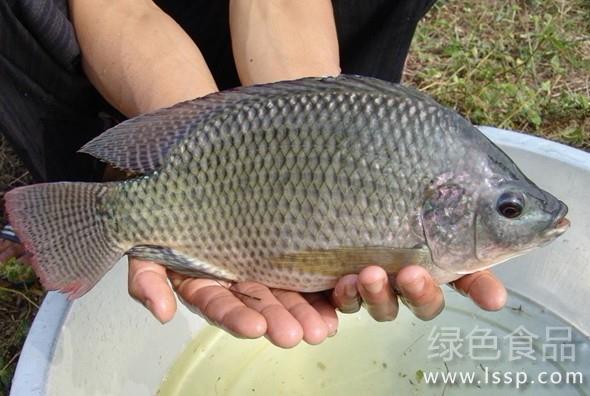
Tilapia
In order to prevent and reduce the occurrence of frostbite in tilapia during overwintering, we provided guidance to some farmers in Jinping Township, requiring them to do the following:
1. Wind protection: For small tilapia fry ponds, a shed can be built to block the wind.
2. Deepen the water level: Maintain a water depth of 2-2.5m to slow the effect of cold and frost on water temperature.
3. Nutrition and health care: Before overwintering, the feed quality should be good, the energy should not be too high, and do not overfeed, so as to avoid causing internal diseases (such as enteritis, hepatobiliary syndrome and excessively high visceral fat content), protect the liver and gallbladder and enhance the fish body's resistance.
4. Parasite prevention: Attention must be paid to parasites. During the overwintering process, bacterial diseases may be difficult to detect because of low water temperature, but after overwintering, secondary bacterial infections caused by parasites will lead to large-scale fish deaths, so routine deworming is needed during the overwintering period.
5. Reduce stocking density: A reasonable density can avoid frostbite caused by fish floating up due to hypoxia.
6. Increase oxygen and temperature: On sunny days with high air temperatures, turn on the aerator at noon to mix the oxygen-rich surface water and high-temperature water with the bottom water, increasing the oxygen content of the bottom water and raising the bottom water temperature. When the surface water temperature is lower than the bottom water temperature, do not turn on the aerator.
7. Reduce seining: To avoid mechanical damage to the tilapia body caused by seining, except when draining the pond to harvest fish.