How to reduce the chance of livestock and poultry getting sick when the cold season arrives
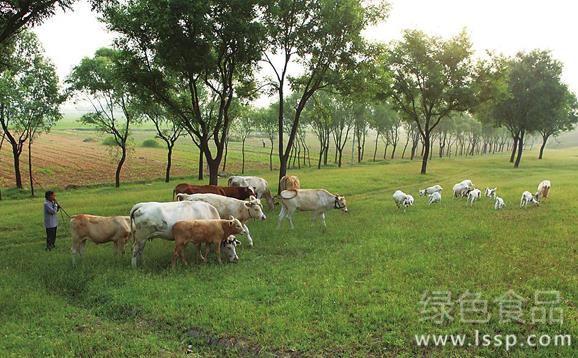
Livestock and poultry farming
In the deep winter and early spring, temperatures are low, sunlight is scarce, green feed is lacking, and nutrition is poor, so livestock and poultry are prone to many kinds of diseases. To keep livestock and poultry from getting sick often in the low-temperature season, ensuring both safe overwintering and healthy growth, the following measures are mainly taken:
I. Feed carefully to strengthen cold resistance and disease prevention ability
In the low-temperature season, livestock and poultry consume more body heat and nutrients, so feeding must be done with care. Add some compound feed rich in energy and complete in nutrition, such as corn, grain and wheat, so that livestock and poultry become plump and strong and their disease resistance is enhanced. For drinking water, use clean warm water or well water to ensure livestock and poultry eat their fill and drink well. Cattle and sheep should be grazed on warm, wind-sheltered, sunny grassy slopes, and grazing should be done by leaving late and returning early. Cold-proof and warmth-keeping measures must be in place to prevent livestock and poultry from catching colds and triggering other diseases. Check and repair livestock and poultry sheds frequently to ensure the roof does not leak rain or snow, the four walls have no draft holes, the ground is spread with dry grass, and doors, windows and door curtains are properly hung.
II. Standardize immunization and provide timely diagnosis and treatment
For all livestock and poultry on hand, first carry out general epidemic prevention once. For major animal infectious diseases such as avian influenza, foot-and-mouth disease, porcine reproductive and respiratory syndrome, and swine fever, immunization must be done strictly according to the immunization program. Especially for large-scale farmers, immune monitoring should be done when necessary, and the timing of immunization should be decided according to the antibody titer level. On the premise of ensuring vaccine quality, vaccines should be stored at 2-8°C (biological products must all be stored at low temperature). In addition, standard operations such as vaccine dosage and injection site are all measures that ensure immunization quality. While carrying out immunization injections, immunization registration should be done, ledgers should be set up, and identification should be worn properly. If livestock or poultry are found to be sick, contact the local veterinarian immediately for timely diagnosis and treatment, so as to reduce the incidence rate and mortality rate to the lowest degree, reduce losses, and ensure farming benefits.
III. Disinfect strictly and maintain environmental hygiene
Sheds should be cleaned frequently, bedding straw replaced, and sewage and manure removed in a timely manner. The removed bedding straw and manure should be stored at designated points, or piled up in a septic tank and treated by biological heat fermentation disinfection, so as to maintain a clean, hygienic, fresh-aired, dry and comfortable shed environment. Routine disinfection of sheds should be carried out regularly, and feeding troughs and utensils should be washed and disinfected once every 7 days. Specialized households (farms) should set up disinfection pools or lay disinfection mats at the main gate and the entrances and exits for people and livestock. Disinfectant solution and disinfection mats must be changed often to ensure they are fresh and effective. If outsiders or vehicles enter or leave at ordinary times, strict disinfection measures must be taken. Chlorine-containing disinfectants can be chosen for disinfection, such as spraying a 5% bleaching powder solution on animal sheds, cages, feeding troughs and vehicles. Alkaline preparations such as sodium hydroxide can also be chosen; when used, they can be heated and prepared into a 1%-2% aqueous solution for disinfecting the floors, walls, exercise yards and contaminated materials of chicken houses contaminated by viruses, and can also be used for disinfecting transport vehicles and other items. After spraying for 12 hours, rinse clean with clear water.
IV. Restock scientifically and practice all-in, all-out rearing
Farmers should purchase livestock and poultry from healthy livestock and poultry farms. After livestock and poultry are purchased, they should first be raised and observed in separate pens, and only after being confirmed healthy can they be mixed into the herd for rearing. When introducing livestock and poultry, the all-in, all-out method should be adopted. After each batch of livestock and poultry finishes rearing, its shed must be thoroughly disinfected before a new batch of livestock and poultry is introduced for rearing.