How to Feed Pigs on Family Farms? A Detailed Guide to Scientific Feeding Methods
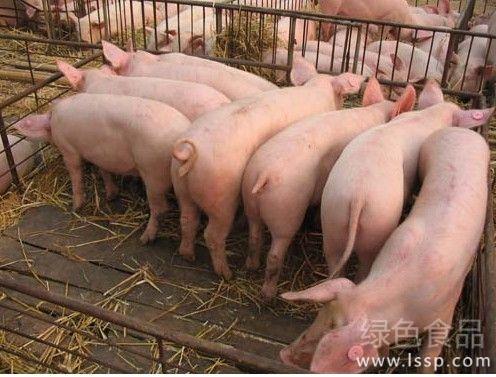
Family-farm pig raising
With the development of the rural economy, feed sources have become increasingly abundant, and the old pig-raising approach of "mainly green and coarse feed, with an appropriate amount of concentrate" has basically changed. At present, rural pig raising is developing in the direction of scientific feeding.
1. Raw feeding vs. cooked feeding
In rural areas, many pig farmers are in the habit of feeding cooked feed, believing that cooked feeding can reduce feed volume, soften crude fiber, increase the amount fed, and improve digestibility. According to experiments, the effects of raw feeding and cooked feeding differ depending on the type of feed. For coarse feeds, cooked feeding is better than raw feeding, showing higher digestibility of dry matter and carbohydrates. Among concentrate feeds, cooked feeding of legume seeds is better than raw feeding; for example, rapeseed cake and cottonseed cake can be steamed or boiled to detoxify or sterilize them. Other concentrates are better fed raw than cooked; generally, after cooking, concentrate nutrients suffer a 5%-10% loss. Green and succulent feed is also better fed raw than cooked, which not only prevents the loss and destruction of vitamins and other nutrients, but raw feeding can also save labor and fuel and lower feeding costs.
2. Thick feeding vs. thin feeding
Thin feeding, because of its high water content, fills the belly with watery slop, leading to reduced secretion of digestive juices, accelerated emptying of the stomach and intestines, shortened retention time of feed in the intestinal tract, and lower digestibility of feed nutrients. Thick feeding, especially dry raw feeding and wet raw feeding, can strengthen the pig's chewing function, promote the secretion of digestive juices, prolong the retention time of feed in the gastrointestinal tract, and improve the digestibility of nutrients. Therefore, thick feeding is advocated; thick feeding with dry feed mixed with water or dry feed mixed with green feed slurry is more effective than thin feeding, and the suitable degree of wetness is when it can be squeezed into a ball and crumbles apart.
3. Fewer meals vs. more meals
This must be decided according to the category, age, season, and nature of the feed, and cannot be generalized. Suckling piglets have a small stomach volume and weak digestive capacity; starting from 7 days of age, the main focus is tempting them to eat, and the number of meals need not be limited; from 20 days of age until weaning, feed 5-6 times a day; newly weaned piglets can be fed 4-5 times a day; sows with piglets and sows in late gestation can be fed 3-4 times a day; growing pigs, large meat pigs, open sows, and boars are fed 3 times a day. In summer, when the weather is hot and days are long and nights are short, 1-2 extra feedings may be given as appropriate; in winter, when it is cold and days are short and nights are long, the morning meal should be fed early and the evening meal late, so as to appropriately lengthen the interval between feedings.
4. Fixed times and fixed amounts
When feeding pigs, never feed late today and early tomorrow; the feeding time should be fixed every day. This lets the pigs form a habit and secrete digestive juices regularly; if feeding times are not fixed, it will disrupt the pigs' routine, cause digestive dysfunction, lead to gastrointestinal disease, and affect growth and development. In addition, in scientific pig raising, one must avoid one meal of hunger and one meal of fullness; a basic daily feeding amount should be determined, otherwise it will also cause indigestion and slow weight gain. However, the feed intake of the same group, or even the same pig, varies slightly depending on climate conditions, feed palatability, feeding techniques, and so on. After the pig raiser has a grasp of the pig's feed intake, they should also flexibly control the feeding amount according to the pig's nutritional status, feed, and appetite. The appetite pattern of pigs is generally strongest in the evening, second in the morning, and poorest at midday; the daily feeding amount should be distributed roughly according to this pattern so that the pigs always maintain a strong appetite.
5. Fixed quality and fixed temperature
Fixed quality means that pig feed is best prepared as a compound feed according to the nutritional needs of different types and different growth and development stages. If mixed at home, the energy and protein levels of the mixed feed should also be roughly determined according to feeding standards, and the varieties and proportions of ingredients in each mix should not change too much. Fixed temperature refers to the temperature of the feed and water fed to pigs; generally, in spring, summer, and autumn, feeding can be done at normal temperature, while in winter, hot water should be used as appropriate to mix the feed. Feeding frozen feed to pregnant sows can cause miscarriage and gastroenteritis. Healthy pigs have the habit of scrambling for food when eating; when feeding, do not feed food that is too hot and scalding, otherwise it is easy to scald the oral mucosa and even the esophagus; long-term feeding of scalding hot food can also cause hair loss and hinder growth.