Silver carp farming methods: scientific polyculture to increase production and income
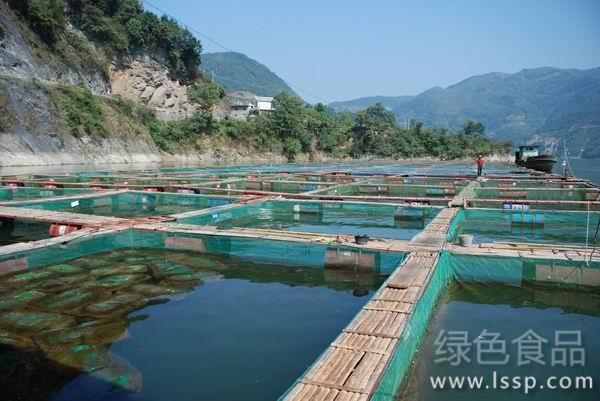
Fish farming
Silver carp are widely distributed in eastern Asia and can be found everywhere in the major river systems of our country. This fish grows quickly; from age 2 to age 3, its body weight can increase from 1 kg to 4 kg, and the largest individual can reach 40 kg. Its natural yield is very high. At the same time, because the silver carp's food consists of phytoplankton, it has become a superior fish for rearing, and has long been listed as one of the "four major Chinese carps" in our country's freshwater aquaculture.
1. Scientifically clean and prepare the fish pond
Silver carp are a polyculture fish, generally raised together in ponds with black carp, grass carp, and bighead carp. Broodstock ponds must have convenient irrigation and drainage. For silver carp and bighead carp ponds, a bottom mud depth of 20 cm is sufficient; black carp and grass carp ponds should have little or no mud at the bottom. The area should be 1-5 mu, with a water depth of about 1.5 m. The pond should be cleaned before stocking.
2. Rationally match and stock
In ponds mainly for silver carp, stock 3-4 bighead carp and 3-4 grass carp per mu; in ponds mainly for bighead carp, stock 6-8 grass carp per mu; in ponds mainly for black carp, stock 2-3 silver carp and 2-3 grass carp per mu; in ponds mainly for grass carp, stock 3-5 silver carp or bighead carp per mu. The male-to-female ratio of silver carp, bighead carp, black carp, and grass carp broodstock is generally best at 1:1-1.5. At the same time, stock 8-10 mandarin fish and about 150 bighead carp per mu to control the breeding of wild trash fish and large zooplankton.
3. Strengthen feeding management
⟧ Before stocking, 500-700 kg of decomposed organic fertilizer should be applied per mu to silver carp and bighead carp broodstock ponds to cultivate plankton, and appropriate fertilization should continue afterward. In addition, on clear, warm days, soybean cake slurry should be fed to promote gonadal development. Black carp broodstock are mainly fed snails and clams, supplemented with concentrated feed such as soybean cake. Grass carp broodstock are mainly fed green feed such as green grass, ryegrass, and sweet potato vines, supplemented with concentrated feed; if green grass is insufficient in spring and autumn, then concentrated feed should be the main feed. To keep the water fresh, water should be added frequently in autumn, while in winter the water depth should be maintained at 1.5 m or more.
4. Comprehensive prevention and treatment of fish diseases
In broodstock cultivation, fish disease prevention should be the priority. In spring and autumn each year, 0.4 ppm crystalline trichlorfon should be splashed over the whole pond to prevent parasites. From April to October, once a month, 30 ppm quicklime or 1 ppm bleaching powder should be splashed over the whole pond to prevent bacterial diseases. Once fish disease is found, actively apply the appropriate medicine and cure it as early as possible.