Be Cautious When Medicating Chickens: Several Situations of Improper Medication by Poultry Farmers
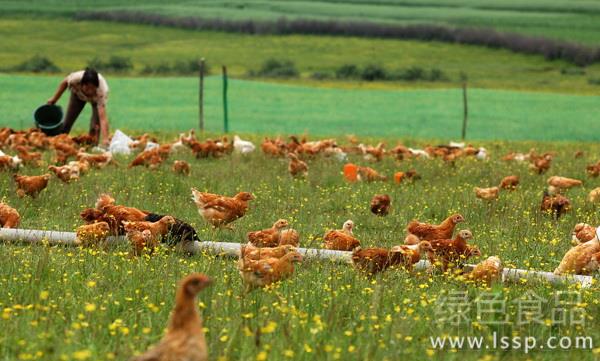
Chicken Farming
Feeding and medicating chickens are everyday matters, and everyday matters require common sense. With common sense, there are points we need to pay attention to during operations. When administering medication, we need to be careful not to make the following mistakes.
1. Long-term Medication
From the day chicks start eating, a certain amount of antibacterial drugs is constantly added to the chicken ration throughout the entire brooding period and even the entire growing period. First, to prevent and treat digestive tract diseases such as pullorum disease in chicks; second, to use as a growth promoter. The most widely used drugs mainly include furazolidone, oxytetracycline, olaquindox, etc. Some poultry farmers even add these drugs without fail when using other antibiotics, treating them as indispensable additives.
2. Intermittent Medication
This is not a method of rational medication according to the drug treatment course, but rather a medication method aimed at treatment, in which the drug is stopped immediately once the condition improves. Because the treatment is not thorough, chicken diseases recur multiple times. This situation is mainly seen in new poultry farmers with insufficient funds or no breeding experience.
3. Frequently Changing Drug Varieties
When a chicken flock becomes ill, the farmer is eager to cure it and hopes the disease will be gone as soon as the medicine is given. Often one drug is used for one or two days, and if no obvious improvement is seen, another variety is substituted, resulting in a prolonged course of the disease.
4. Overdose Medication
Doubling the dose is believed to improve the therapeutic effect and avoid prolonging the course of the disease. As long as the drug is stopped in time when signs of poisoning are found, generally no major losses will be caused; however, in severe cases, serious poisoning and death accidents can occur.
5. Cumulative Medication
Some farmers, when treating chicken diseases with one or two antibacterial drugs and finding the effect poor, add more drug varieties, even increasing to 5-6 kinds. They mistakenly believe that using more drug varieties can produce a cumulative effect. There is also cumulative medication by variety and cumulative medication by dose: the initial dose is relatively low, and if no effect is seen, the dose is increased again and again.
6. Blind Symptomatic Medication
Symptomatic treatment is a common clinical medication method. But for a chicken flock of several hundred or even over a thousand birds, multiple clinical symptoms may sometimes appear at the same time. If no distinction is made between primary and secondary symptoms and measures of "treating the head when the head hurts and treating the foot when the foot hurts" are adopted, treatment errors are very likely to result. Sometimes, when both wheezing symptoms and diarrhea symptoms are found in the flock, penicillin, erythromycin and other drugs for treating respiratory tract infections are added to the drinking water, while furazolidone, chloramphenicol and other drugs for treating diarrhea are mixed into the feed. Furthermore, it is also common to treat viral diseases as bacterial diseases by administering large amounts of drugs.
7. Blind Combined Medication
Combined medication is also a treatment measure often used clinically. The reasonable compatibility of two or more drugs can expand the antibacterial range of the drugs and improve the therapeutic effect. However, some poultry farmers do not understand the antibacterial spectrum and physicochemical properties of drugs and often arbitrarily combine two or more drugs for use. For example, combining penicillin with oxytetracycline, combining penicillin with sulfonamides, and combining erythromycin with oral rehydration salts are all contraindicated.