Master the key points of cattle feeding and management to promote agricultural production
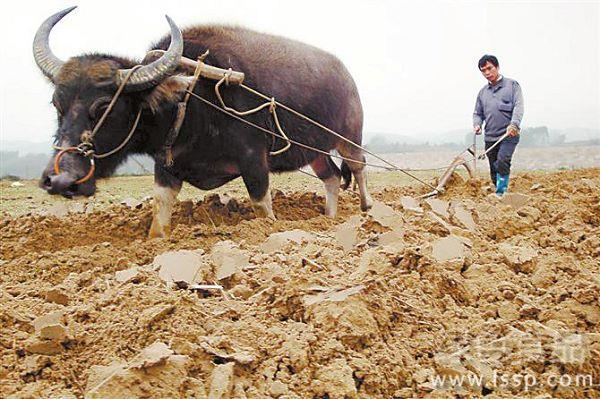
Cattle
In some rural areas of our country, cattle are still an indispensable source of power for agricultural production and are treasures to farming households in poor mountainous areas. Scientific feeding and management, and reasonable use for work, especially strengthening the feeding and management of cattle during busy farming seasons, are of great significance for protecting the health of cattle and promoting agricultural production.
I. Key points of cattle feeding
During busy farming seasons, cattle are generally fed three times a day, in the early morning, at midday and in the evening, with an additional feeding of forage grass at midnight. Concentrate feed can be given in the early morning and midday feedings. In the evening, feed more green grass and dry hay. Feeding should be carried out about two hours before work, so that the cattle have enough time to eat and ruminate. After work, they should rest for about half an hour before being fed. First feed chopped coarse fodder, then sprinkle a small amount of concentrate feed over the coarse fodder, add an appropriate amount of water and mix well, until it is all eaten. It is best to sprinkle some salt water on the leftover grass so that the cattle eat all the remaining feed cleanly. In terms of daily ration formulation, it is best to use a combination of coarse fodder, green and succulent feed, and an appropriate amount of concentrate feed. Cattle must be given sufficient drinking water, generally 3 to 5 times a day, with a total amount of 30 to 40 kg. They should be fed 20 to 30 grams of salt every day. After work, do not let them drink immediately; they need to rest for about half an hour before drinking, and after drinking they should also be given an appropriate rest period so they can ruminate.
II. Key points of cattle management
The barn should be spacious, clean, ventilated and dry. Bedding should be added, removed and swept frequently so that the cattle can rest comfortably. Dust and manure on the surface of the cattle's bodies should be removed to keep the cattle clean, promote blood circulation, eliminate fatigue, improve health and prevent skin diseases. After work each day, the mud on the cattle's limbs and hooves should be wiped clean to keep the hooves round and proper, and the hooves should be trimmed 2 to 3 times each year. Cattle diseases should be detected promptly. If cattle show symptoms such as listlessness, reduced appetite, a dry muzzle, abnormal feces or elevated body temperature, work should be stopped immediately and timely treatment should be given. Pay attention to heat prevention and fly control. Because cattle have underdeveloped sweat glands and poor heat tolerance, after work they should be driven to a shady place to rest; water buffalo are best driven into a pond to bathe and dissipate heat. In summer, use leftover grass, yellow vitex and the like to make smoke in the cattle shed to prevent mosquitoes and flies from bothering the cattle.
III. Key points of using cattle for work
The harness should fit the cattle's body; the size and angle of the yoke should be appropriate; the length of the ropes should be adjusted well; and the plow and harrow should be matched, so as to improve work efficiency and avoid injury accidents. During work, the principle of “maintaining while using, combining maintenance with use” must be carried out, so as to achieve harmony between people and cattle, and they must not be whipped at will. Work and rest should be balanced. Generally, after 2 hours of work, they should rest for half an hour, and the daily working time should preferably not exceed 8 hours. If during work the cattle are found to stretch the neck, have a sunken back, raise the tail base, paw the ground with the tips of the hooves, move at an inconsistent speed, or urinate continuously, they should be given an appropriate rest. If after work they show reduced appetite but no other disease symptoms, overfatigue should first be considered, and the rest time should be appropriately extended.