Causes and Prevention Measures for the High Incidence of Diseases in Pigs in Autumn and Winter
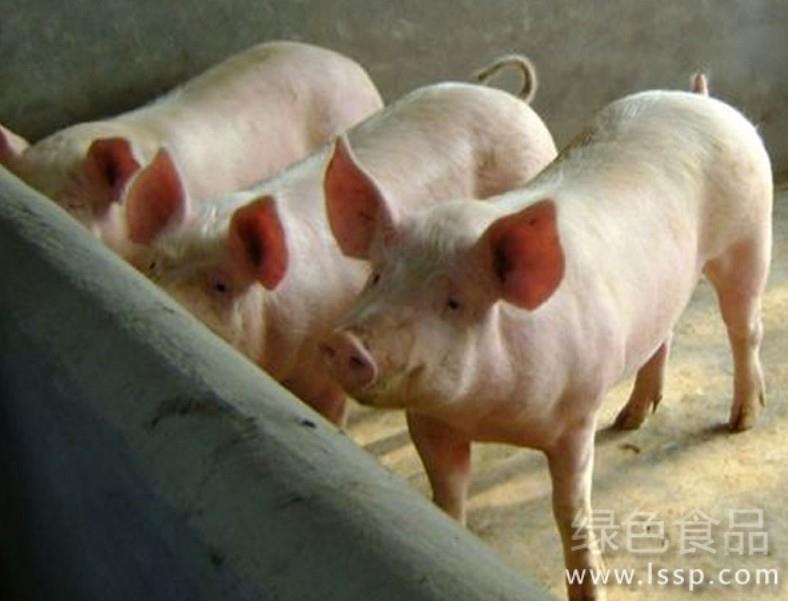
Pigs
Entering the autumn and winter seasons, due to poor feeding management, pigs are often prone to diseases mainly of the respiratory and digestive tracts, such as coughing, wheezing and diarrhea. Mild cases affect the growth and development of pigs, while severe cases cause the death of pigs.
Causes of the disease
1. The pestilent heat and pathogenic factors of midsummer remain in the pig's body and continue to trouble the pig. Pigs that have just survived the hot summer are still very weak in constitution, and some pathogenic microorganisms take the opportunity to lodge in the pig's body, leaving the pig in a sub-healthy state.
2. In autumn and winter, the temperature difference between day and night is large, and the weather is changeable, alternating between cold and hot. Pigs are prone to colds as a trigger, leading to the occurrence of other diseases or multiple mixed infections.
3. As the weather turns cooler, mosquitoes and flies in the pig house relatively increase. Mosquitoes and flies affect the rest of the pigs and transmit pathogens, increasing the probability of disease occurrence.
4. Since summer, feed mycotoxins have accumulated in the pig's body, damaging the pig's immune system, causing immunosuppression, and reducing the pig's disease resistance.
Preventive measures
1. Add electrolytic multivitamins to the pig's feed, especially supplementing VC, VA and VE, to reduce various stresses suffered by the pig and enhance the pig's disease resistance.
2. Kill mosquitoes and flies in the pig house, expel internal and external parasites from the pig's body, and cut off the transmission routes of diseases caused by the activities of parasites and insects.
3. Do a good job in heat preservation and ventilation, remove harmful gases and dust in the pig house, ensure a suitable environment for the pig's survival, and achieve a stable environment and fresh air.
4. Strict disinfection, making each disinfection thorough, to kill external pathogenic microorganisms.
5. Scientific immunization, vaccinating pigs in a targeted manner, vaccinating all that should be vaccinated, preventing omissions in vaccination, and at the same time standardizing immunization operations to ensure immunization quality.
6. With Chinese herbal medicines as the mainstay and antibiotics as the supplement, regularly carry out drug preventive health care according to dosage and course of treatment, and prevent the abuse of antibiotics.
7. Promptly isolate and treat suspicious diseased pigs found, achieving early discovery, early diagnosis, early treatment and early disposal. For dead diseased pigs, uniformly implement the “four noes and one disposal (no selling, no slaughtering, no transfer, no abandonment, and harmless treatment)”. Diseased pigs and healthy pigs should not be mixed and raised in the same group, to prevent contact transmission. For large-scale farms (communities) under closed management, outsiders and vehicles are strictly prohibited from entering and exiting, the movement of pigs is reduced, and an all-in-all-out feeding model is adopted. Purchased pigs should undergo strict quarantine and be isolated for observation for more than 1 month, and only after being confirmed healthy can they be admitted to the farm for feeding.