Cold-weather warmth and protection measures for beef cattle to ensure a safe winter
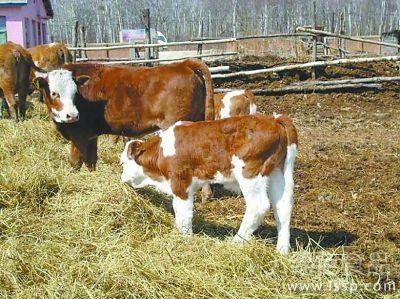
Beef cattle
In winter, with freezing cold and withered grass, the nutritional conditions for beef cattle are generally very poor, bringing many disadvantages to getting beef cattle through the winter. Therefore, only by doing a good job of protective measures can beef cattle better make it through the winter.
1. Pay attention to building up condition before the start of winter. To ensure beef cattle get through the winter safely, condition must be built up after autumn. Taking advantage of the neither-cold-nor-hot autumn weather, when beef cattle have a good appetite, good use should be made of green grass during grazing. When cattle eat well and absorb more nutrients, they can store up some fat to resist the severe cold and stay healthy.
2. Pay attention to keeping the cattle shed warm. A warm cattle shed can reduce the loss of body heat from the cattle, so before the start of winter the cattle shed must be repaired well to prevent drafts from penetrating.
3. Pay attention to the feeding amount. Cattle have a large stomach volume, so the daily coarse feed per head must not be less than 6 kg, and both forage and concentrate should be as varied as possible; a single feed must not be given all the time.
4. Pay attention to drinking water. The metabolism and body temperature that beef cattle lack are regulated by water, because water has a good heat-retaining effect; when watering, sprinkle a handful of bran on the water surface to prevent excessive drinking. Pregnant cows should drink warm water as much as possible, which helps retain heat and protect the fetus.
5. Pay attention not to use extensive rough feeding. Straw feed is coarse and hard, so before feeding it must be crushed to 3-4 cm; crushed straw has a high utilization rate, and when beef cattle eat well they gain condition easily.
6. Pay attention to feeding cattle on schedule. Maintaining a normal digestive state helps cattle gain fat and strength; without regularity, digestive disorders are easily caused, and cattle may overeat and drink excessively due to excessive hunger, triggering some diseases.
7. Pay attention not to feed moldy and spoiled feed. After becoming moldy and spoiled, it turns into toxic substances, causing feed poisoning in beef cattle, and after eating it beef cattle sometimes die in large numbers. Therefore, moldy and spoiled feed must never be fed, and the storage management of feed must be strengthened.