Practical methods for rural free-range livestock and poultry farmers to do a good job in disease prevention and control
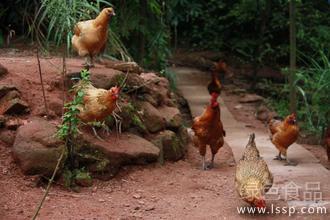
Free-range livestock and poultry
With the full implementation of veterinary system reform, the separation of medical treatment and prevention of livestock and poultry diseases has been achieved, and the prevention and control of livestock and poultry diseases have made considerable progress. Because the prevention and control of livestock and poultry diseases not only concerns the safe development of the livestock industry, but also bears on public health and the health and safety of consumers, it has received great attention from the relevant departments. However, rural free-range farmers have some problems in the breeding process, which should be carefully analyzed, rectified, and improved to raise the level of animal disease prevention and control.
(1) Adhere to the principle of "prevention first, comprehensive control."
(2) Strengthen feeding management, rationally match livestock and poultry feed, strictly prohibit feeding moldy feed and expired or ineffective concentrated feed and pellet feed, provide clean and hygienic drinking water, and especially strengthen feeding management for thin and weak livestock and poultry by appropriately increasing the feeding of concentrated feed to ensure feed nutrition. Observe at any time whether the animals' appetite, defecation, and urination are normal, and once abnormalities occur, diagnose them quickly. Adhere to self-breeding and self-raising to reduce the introduction of external diseases.
(3) Implement strict disinfection. Specific practices: First, set up a disinfection pool at the entrance of the breeding shed and change the disinfectant frequently; second, implement "all-in, all-out," first flushing empty pens, then disinfecting, and then ventilating; third, clean and disinfect the site environment every month, and pile up manure for fermentation; fourth, disinfect all personnel entering and leaving, including the feeders, and strictly prohibit unrelated personnel from entering the breeding area.
(4) Formulate a scientific immunization program. In spring and autumn, vaccinations against foot-and-mouth disease, swine fever, and other diseases should be given; for poultry, vaccinations against avian influenza, fowl cholera, Newcastle disease, and other diseases should be given; whether to immunize against other vaccines should be decided by the local veterinary station according to past disease outbreaks.