Methods for treating various livestock and poultry diseases with cactus
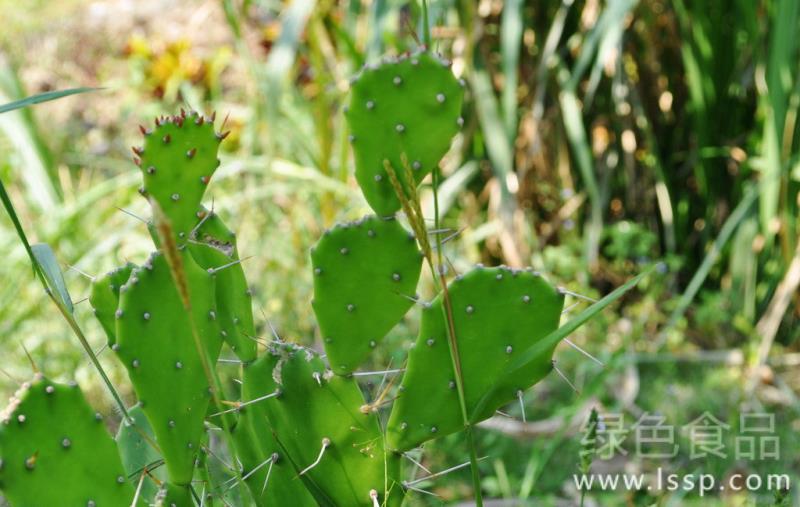
Cactus
Cactus, also known as cactus pear, dragon tongue, overlord, Guanyin thorn, etc., is cold in nature and bitter in taste, and has the effects of promoting qi and blood circulation, clearing heat and detoxifying, and reducing swelling and relieving pain. Taken internally, cactus can treat bacillary dysentery, viral enteritis, cough due to lung heat, endometritis and other diseases; applied externally, it can treat mastitis, blisters, carbuncles, sores, jaundice-like inflammations and other inflammatory conditions. In addition, it also has obvious therapeutic effects on eczema, pruritus, venomous snake bites and scalds.
1. Treating cattle diseases
1.1 Treating cattle heatstroke with sha syndrome: remove the spines from 200 g of cactus and mash it, grind 60 g of raw gypsum into fine powder, mash 100 g of Chinese chives, add 10 g of table salt, mix well, wrap in vegetable leaves and administer.
1.2 Treating high fever in cattle. Remove the spines from 200 g of cactus and mash it, grind 60 g of raw gypsum into fine powder, grind 120 g of mung beans into a slurry, add an appropriate amount of cornmeal and mix, wrap well in vegetable leaves and feed. 1 dose per day, for 2 to 3 consecutive doses.
1.3 Treating cattle pneumonia. Remove the spines from 150 g of cactus and mash it, mash 60 g of banana root, add an appropriate amount of corn flour and mix, wrap well in vegetable leaves and administer. 1 dose per day, for 4 to 5 consecutive days.
1.4 Treating cattle enteritis and diarrhea. Remove the spines from 150 g of cactus and mash it, take 50 g each of houttuynia, peeled garlic and agrimony, mash them together, add an appropriate amount of corn flour, mix and wrap in vegetable leaves for administration. 1 dose per day, for 2 to 3 consecutive doses.
1.5 Treating dairy cow mastitis. Applying cactus externally in the early stage and fever stage of dairy cow mastitis has a good effect on reducing symptoms such as udder swelling, pain and burning heat. The method is to remove the spines and skin from the cactus, mash it, add aged vinegar and stir into a paste, spread it on gauze, and then apply the medicinal paste to the area around the teat base. Replace the paste after the cactus paste dries.
2. Treating sheep diseases
2.1 Treating lamb dysentery. This disease occurs most often in lambs aged 2 to 3 days, and if not treated promptly, they often die within 1 to 2 days. Take 50 to 100 g of cactus, remove the pads' spines and skin, clean it thoroughly, cut into small pieces, and decoct into a soup. Administer by gavage 2 times a day, 20 to 30 mL each time; after 2 consecutive days of administration, most cases are cured.
2.2 Treating lumbar and leg sprains in sheep. Take 1 part each of cactus and Chinese chive roots, mash them, add a small amount of child's urine and mix evenly, then apply to the affected area to reduce swelling and relieve pain.
3. Treating pig diseases
3.1 Treating swine vesicular disease. This disease is characterized by blisters on the hooves, snout, skin and mucous membranes of the lips, mucous membranes of the tongue surface, teats and other parts of sick pigs. Remove the spines from cactus and mash it into a paste, pierce the blisters with a sterilized needle, apply the cactus paste to the wound surface, once a day. At the same time, feeding antiviral drugs gives a better effect.
3.2 Treating fever in pigs. Wash the cactus and mash it, add water and boil it into a medicinal juice, then mix an appropriate amount into thin feed and feed it to the sick pig. The amount of medicinal juice can be determined according to the pig's body weight: for body weight below 50 kg, use 250 g of juice; for body weight above 50 kg, use 500 g of juice.
4. Treating rabbit diseases
4.1 Treating diarrhea in rabbits. Mash 30 g of cactus into a paste, squeeze out the juice with gauze and drip it into the rabbit's mouth. Alternatively, cut the cactus into granules and put them into the rabbit's mouth or mix them into the feed. Feed 2 times a day for 2 to 3 consecutive days, with an effective rate of 100%.
4.2 Treating sarcoptic mange in rabbits. Take fresh cactus, remove the spines, cut into small pieces, roast until yellow over a low fire, grind into fine powder, and mix with vaseline into a paste. Wash the affected area clean with warm water, apply the cactus paste and rub forcefully, once a day. If combined with subcutaneous injection of ivermectin, the effect is even better.
5. Treating chicken plague
Chicken plague is extremely harmful to chickens and can cause death of the entire flock. Cactus contains substances that can kill chicken plague virus. Once chicken plague is found, immediately mash cactus and feed it to the chickens, 2 to 3 times a day for several consecutive days.