Points to Note in Goat Farming: Focus on Comprehensive Prevention and Control
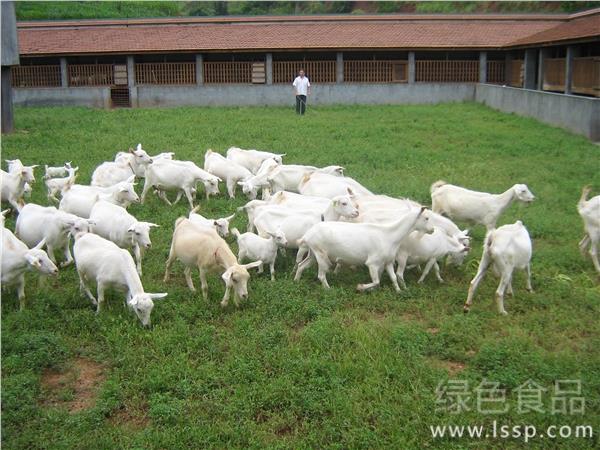
Goat Farming
As the saying goes: There is no trick to raising sheep - keep the pen dry and the feed plentiful. Goats are indeed fairly resistant to disease by nature and generally do not fall ill easily. Even when they do get sick, the early stage of the illness is often hard to detect; once obvious clinical symptoms appear, the condition is already relatively serious and difficult to cure. Extensive practice has proven that as long as routine comprehensive prevention and control work is done well, many diseases can be avoided altogether, and if they do occur, they can be brought under effective control in time. Therefore, it is especially important to conscientiously implement the policy of "prevention first" and to carry out comprehensive prevention and control measures with feeding and management as the focus. Day to day, feeding and management personnel should always pay attention to observing the static posture, movement and eating behaviour of the flock. Once any abnormal sign appears, the cause should be identified as quickly as possible so as to achieve early detection and early treatment, prevent the disease from worsening or spreading, and reduce the economic losses caused by disease. At present, based on the basic conditions for raising goats, the following points should be carried out well:
1. The shed should be clean, dry, well ventilated and facing the sun. Disinfect the shed, equipment and exercise area regularly. For disinfectants, 1 0-20% lime milk can be chosen. 0.2% Xiaoteling, Baidusha solution and the like should be used in rotation.
2. Pay attention to heatstroke prevention and cooling as well as cold and warmth protection, avoiding heatstroke in midsummer and freezing in severe winter.
3. Regular epidemic prevention and health care
(1) Regular deworming once each in spring and autumn, using levamisole tablets and albendazole tablets alternately, with levamisole tablets at 10mg/kg body weight and albendazole tablets at 8mg/kg body weight, given by single oral drench.
(2) Medicated bathing at least 2 times per year, generally using 1% trichlorfon, 0.5% acaricide solution or mectin solution and other drugs, choosing fine weather, with the water temperature at about 35°C, and letting the goats bathe in the medicated solution for 2-3 minutes.
⟧ (3) Improve environmental sanitation by filling in the low-lying waterlogged spots around the goat shed and on the exercise area, keeping the urine and drainage ditches flowing freely without accumulating urine water, and using high-efficiency, low-toxicity mosquito killers or smoke fumigation to repel mosquitoes. In spring, summer and autumn each year, spray the goat shed and exercise area with 0.5% acaricide or mectin solution and other drugs to eliminate external parasites.
(4) Epidemic prevention: do a good job in preventive vaccination and comprehensive prevention and control of diseases such as goat foot-and-mouth disease, goat pox, contagious pleuropneumonia, sheep braxy, sheep struck, lamb dysentery and sheep enterotoxaemia.
4. Persist in self-breeding and self-raising. Do not introduce goats from epidemic areas. For goats introduced from other places, strict quarantine and isolation must be carried out, and only after they are confirmed to be free of disease may they be mixed into the flock for rearing.