What to Do When a Sow Delays Farrowing? Detailed Explanation of Causes and Handling Methods
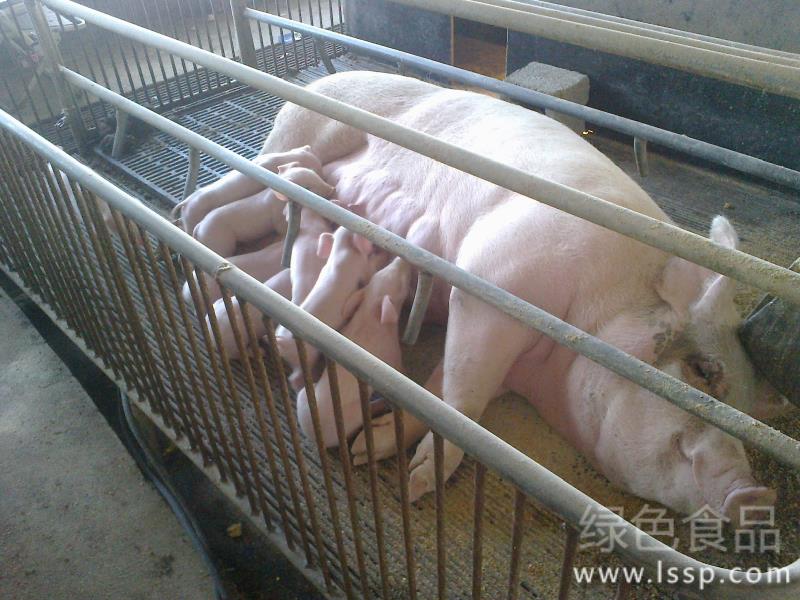
Sow Farrowing
Delayed farrowing and premature farrowing in sows are both abnormal production phenomena that frequently occur in pig farming. Their appearance will more or less affect the outcome of sow farrowing and cause economic losses of varying degrees. Therefore, to correctly handle the problem of delayed farrowing in sows, attention must be paid to the following five aspects:
1. Strengthen management. Conduct prenatal observation of sows about to farrow every day, and check the fetal movement of the embryos. Pay special attention to the feed intake of sows before farrowing, as this is a direct reflection of the sow's health status. If a sow stops eating a few days before farrowing, she may have a cold or a fever and needs timely diagnosis and treatment. If it is unrelated to disease, it is very likely a sign of impending farrowing and needs to be distinguished accordingly.
2. Check the breeding records. Once the breeding records are confirmed to be accurate, measures can be taken to actively induce farrowing in the sow. It is recommended to use cloprostenol rather than oxytocin. Oxytocin is better used during the farrowing process, and care should be taken to use an appropriate dose.
3. Adjust the farrowing time of the sow. The drug used is cloprostenol. For sows at 112—113 days of gestation, administer the treatment at 10:00 every morning. The sow will usually farrow 20—30 hours later. This helps prompt 85% of sows to farrow during the daytime, making it easier for the keepers to attend to them and preventing stillbirths and dystocia.
4. Since there are many causes of stillbirths and mummified fetuses, such as insufficient nutrition (sows about to farrow stopping eating too early), sows eating moldy feed, and sows being infected with Japanese encephalitis virus, parvovirus, pseudorabies, swine fever, and so on, feed quality must be strictly controlled and comprehensive prevention and control of the above diseases must be carried out.
5. Detecting delayed farrowing as early as possible is necessary and is also a proactive and effective way to reduce losses. If the mammary glands are found to be well developed in the early stage but milk regression occurs before the expected farrowing date, it is necessary to pay special attention and take the necessary observational measures.