What are the precautions for using water-flush fertilizer?
What should be noted when using water-flush fertilizer? Please give an introduction. Water-flush fertilizer is a type of topdressing method; water-flush fertilizer is also called water-flushed fertilizer, that is, a fertilization method in which solid quick-acting chemical fertilizer is dissolved in water and the water carries the fertilizer. Water-flush fertilizer usually uses water-soluble chemical fertilizers, mainly nitrogen fertilizer and potassium fertilizer. Nitrogen fertilizer and potassium fertilizer have strong water solubility, and through...
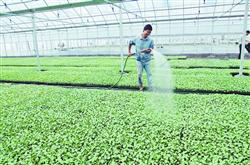
What should be noted when using water-flush fertilizer? Please give an introduction
Water-flush fertilizer is a type of topdressing method; water-flush fertilizer is also called water-flushed fertilizer, that is, a fertilization method in which solid quick-acting chemical fertilizer is dissolved in water and the water carries the fertilizer. Water-flush fertilizer usually uses water-soluble chemical fertilizers, mainly nitrogen fertilizer and potassium fertilizer. Nitrogen fertilizer and potassium fertilizer have strong water solubility, and through the combination of fertilizer and water, the soluble nitrogen and potassium seep into the soil and are absorbed by crop roots.
Water-flush fertilizer is widely used on greenhouse and open-field vegetables, mainly during the vigorous growth period of vegetables, for example, the full fruit stage of fruit vegetables, after each picking of melons and fruits, the heading stage of Chinese cabbage, etc. Because water-flush fertilizer takes effect quickly, generally the effect can be seen two days after the fertilizer is flushed. Therefore, in recent years it has been adopted by many vegetable growers.
The purpose of fertilization is not only for high crop yield, but also for comprehensive benefits. For this reason, the technical essentials of water-flush fertilizer must be mastered. First, correctly choose the type of fertilizer for water-flush fertilization. Only water-soluble fertilizers can be flushed with water. For nitrogen fertilizer, urea, ammonia water, ammonium sulfate and ammonium nitrate are commonly used; for potassium fertilizer, potassium chloride and potassium sulfate are commonly used, and potassium nitrate can also be used. As for phosphorus fertilizer, even water-soluble monoammonium phosphate and diammonium phosphate should not be flushed, because phosphorus fertilizer has very poor mobility after dissolving and is easily fixed, and cannot seep into the root layer with water. Therefore, when applying phosphorus fertilizer, it is best to bury it in the soil in layers to improve its utilization rate. The single application amount of nutrients in water-flush fertilizer must be standardized. In high-yield vegetable cultivation, the pure nitrogen amount per mu each time should be controlled at 2-4 kg, especially nitrate nitrogen should be controlled at 2-3 kg per mu, and the potassium amount (potassium oxide) for a limited number of times is generally 2-4 kg per mu. Otherwise, the waste and loss of nutrients will be large, which not only reduces fertilizer utilization rate, but may also cause water pollution.
For the control of irrigation volume, when using border irrigation, avoid flood irrigation; when using canal irrigation, the ditch depth should match the water volume to prevent nutrients dissolved in water from being lost with the water.
In addition, granular compound fertilizer, solid organic fertilizer, microbial preparations or fertilizers are not suitable for flushing application.
Get more water-soluble fertilizer application techniques
Get more fertilizer application techniques