Methods for preventing and controlling respiratory diseases in broiler chickens during low-temperature periods in autumn and winter
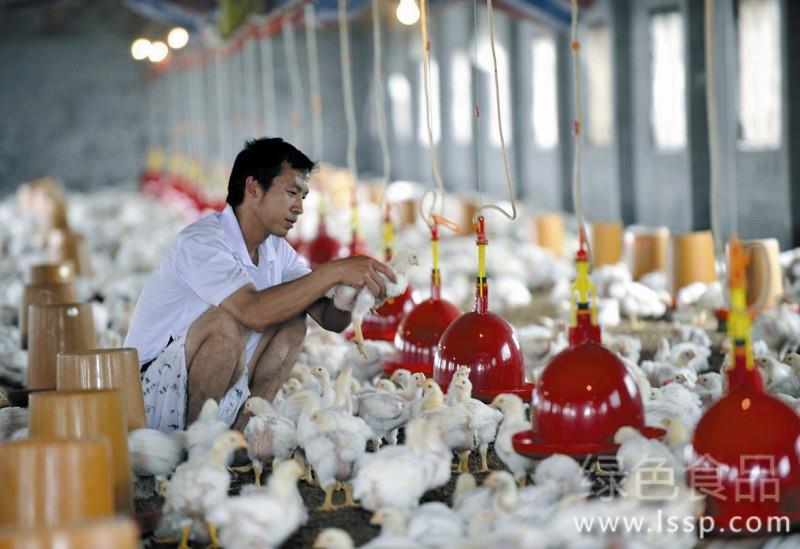
Broiler chicken rearing
High-density intensive rearing of broiler chickens has changed both rearing conditions and the environment, making management factors one of the decisive factors controlling poultry survival, and thus exposing farms to many new problems with complex causes, such as nutrition + environment + immune function defects + concurrent or secondary multiple pathogens. High-density rearing shortens the transmission process of viruses and bacteria, making disease onset sudden and spread rapid, and increasing opportunities for pathogen passage and recombination with high frequency, so that once disease occurs it is difficult to control.
1. Intensive rearing is a friend of respiratory infectious diseases
Continuous intensive rearing means that large numbers of known and unknown pathogens exist in the environment, and the body also harbors large numbers of conditional respiratory pathogens, so when conditions inside and outside the body change, these innate factors make infection unavoidable. Mixed infections of bacterial and viral respiratory diseases are increasingly common, and in particular the immune carriage of some acute and highly virulent respiratory viruses further increases the difficulty of treating bacterial respiratory diseases.
2. Cold is the key trigger for respiratory diseases
Cold stimulation causes peripheral blood vessels to constrict, reflexively causing dilation and congestion of blood vessels in the deep body and internal organs; long-term passive stasis and congestion create favorable conditions for pathogen transmission. Cold damages the mucosal barrier function of the respiratory tract, stops ciliary epithelial movement, reduces lysozyme secretion, increases tissue protein breakdown, raises large-molecule colloid proteins in the blood, and weakens the reticuloendothelial system, thereby reducing the body's resistance. Therefore, the most critical measure for preventing respiratory diseases is to prevent cold stimulation and enhance the body's ability to resist cold stress.
3. Excessively low humidity is a trigger for respiratory diseases
During brooding of broiler chickens, only temperature is emphasized and humidity is neglected; insufficient humidity in the environment and excessive dust lead to dryness of the respiratory mucosa and decline of defensive function, creating conditions for the reproduction of conditional pathogens.
4. Vaccination reactions lead to the occurrence of respiratory diseases
Because vaccine virulence is too strong, it produces strong stimulation of the respiratory tract. The vaccines currently used in actual production may be contaminated by Mycoplasma, leading to vaccine-derived infection of mycoplasmosis, and the inoculation process itself imposes stress on the body; these are important causes of respiratory disease occurrence.
Broiler chicken rearing
Harm caused by dysfunction of the poultry respiratory system:
The respiratory system performs respiratory movement under neural regulation, and through this movement the body carries out complex gas exchange between the external environment and the blood. Once the respiratory system has problems, oxygen supply stops and the animal quickly dies. It also causes dysfunction of the immune system, reduces the protective function of the respiratory mucosal barrier so that pathogens can directly enter the body, and at the same time damages the immune development and recognition system, reducing the ability to mount specific immune responses.
How to control multi-cause respiratory disease in broiler chickens:
1. The physiological characteristics of chickens determine that the high incidence of respiratory diseases is closely related to the environment. Therefore, environmental disinfection, especially air disinfection, is of greatest significance for controlling respiratory diseases; properly maintaining humidity inside the house reduces the content of dust, harmful gases, and pathogenic microorganisms in the air, and decreases the body's intake of pathogenic microorganisms.
2. Change the rearing environment and implement all-in-all-out to cut the transmission chain of preset factors among different batches of chickens, eliminate stress factors, and pay special attention to adopting a single-stage rearing method to avoid stress from moving groups.
3. Eliminate the use of live vaccines with excessively strong virulence to avoid contaminating the environment, since the selective pressure of immunization causes super-virulent strains to continually emerge. The use of virulent vaccines will, through "selective immune pressure," increase virulence in the surrounding environment. In areas where conditions permit, gradually stop using moderately virulent vaccines, reduce virus carriage and shedding in chicken flocks, and through biosecurity measures gradually establish farms that have been purified of moderate and high virulence.
4. Immunization is the best strategy for controlling viral respiratory diseases
The use of attenuated vaccines is a special requirement for preventing and controlling viral respiratory diseases. This local immune effect acts early, rapidly, and extensively directly on the target organ (the surface of the respiratory mucosa), and can stimulate the lymphoid tissue of the respiratory mucosa to mediate multiple immune reactions, including opsonization, agglutination, fixation, toxin and virus neutralization, and blocking of cell adsorption, lysis, and chemotaxis.
Vaccination has the advantages of strong specificity, high antibody levels, and long protection duration, but it cannot protect against disease caused by variant pathogens. There is still a risk of infection during the immune blank period, and resisting infection by super-virulent strains requires booster immunization. Even very successful immunization can only prevent serious losses in broiler flocks caused by highly pathogenic viruses, and it is difficult to avoid virus carriage, virus shedding, and the occurrence of atypical lesions in the flock. For flocks with a sound immune system, reasonable immunization can basically prevent the occurrence of some acute infectious diseases; for flocks with an unsound immune system, even after several immunizations, immune failure may still inevitably occur at susceptible ages.