What are the effects and roles of ambient temperature on pig growth?
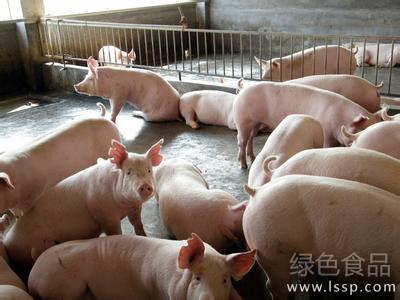
Pig farming
Producing finishing pigs has a certain adaptability to the ambient temperature of the pig house. Ambient temperatures in the pig house that are too high, too low, or alternating between cold and hot will all cause producing finishing pigs to develop various diseases such as respiratory syndrome, pale scour, and other nutritional deficiency diseases. Alternating cold and hot, sudden changes in temperature, and instability will, to a certain extent, affect the production performance of pigs.
Heat stress has a relatively serious impact on producing finishing pigs. Too high a temperature will cause a decline in their feed intake, slow weight gain, and even increase the incidence of acute sudden death syndrome in producing finishing pigs, with mortality increasing, such as deaths caused by gastrointestinal bleeding, acute gastric torsion, and acute heart and lung diseases, bringing huge losses to the productivity of producing finishing pigs. At the same time, too high a temperature also easily breeds bacteria in the pig house, increasing the incidence rate of producing finishing pigs.
In cold seasons, because the temperature is relatively low, producing finishing pigs, due to the simplicity of their sebaceous glands and digestive and respiratory systems, are prone to various respiratory diseases and intestinal digestive diseases, etc. Unstable temperature, the dry or wet conditions of the pig house environment, and ventilation and other reasons very easily cause respiratory diseases in growing-finishing pigs. The main clinical manifestations are coughing, wheezing, and accelerated breathing, with body temperature generally not high, appetite alternating between good and poor, and stunted growth and development. Some acute respiratory diseases can lead to their death.