Early Detection of Sick Pigs: Develop the Habit of Observing Your Pigs
Pig Farming
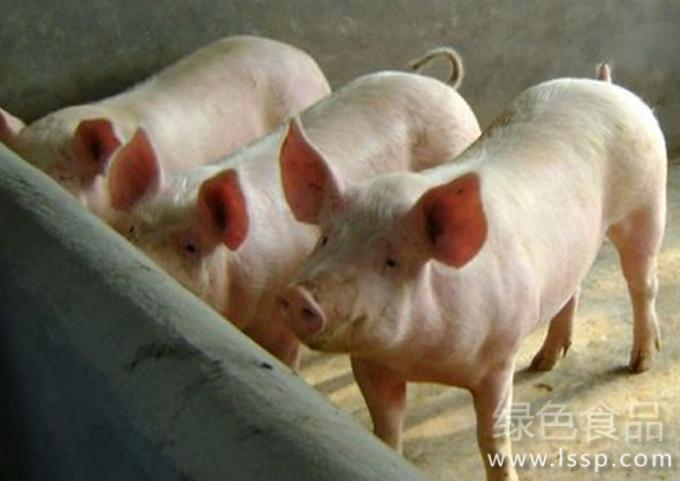
In daily pig feeding, if you want your pigs to get sick less often, farmers should develop the good habit of carefully observing the condition of their pigs, so as to detect abnormalities early and reduce losses. For what specifically to observe, you can refer to the following aspects.
Respiration observation method. A healthy pig breathes normally 10 to 20 times per minute; if abdominal breathing is too fast or too slow, it is abnormal.
Eye observation method. A healthy pig has bright, spirited eyes; if a pig's eyes are dim, red, or have excessive eye discharge, it is a sign of illness.
Movement observation method. A healthy pig constantly wags its tail and can respond quickly and sensitively to external stimuli. A healthy adult pig is greedy for food and fond of sleep. If food is given, it will come at the call, lie down and doze after eating its fill, and when a stranger approaches, it will stand up, raise its head, and continuously wag its tail. If there are signs such as drooping head and tail, then it is a sick pig.
Appetite observation method. A healthy pig has a strong appetite, eats a lot and quickly, and can generally finish a normal amount of feed in about 15 minutes. If a pig responds slowly, eats slowly, eats little, or refuses to eat, it should be regarded as sick.
Snout disc observation method. A healthy pig's snout disc is clean and moist. If it is a sick pig, its snout disc will appear dry and cracked or have more dirty mucus attached.
Manure observation method. The manure of a healthy pig is formed into clumps and soft. If there is thin manure or dry, hard manure shaped like abacus beads, and the color is abnormal, then it is a diseased state.
Urine observation method. A healthy pig's urine is light yellow, clear and transparent; if the urine is turbid and opaque, then it is a symptom of a sick pig.
Odd behavior observation method. If a pig gnaws on foreign matter such as soil or tree bark and is restless and uneasy, then it indicates the pig is sick.
Pig tail observation method. A healthy pig's tail is curled up and moves freely; if the pig's tail is found drooping and motionless, and there is no reaction when the base is touched by hand, then it is a sign of a sick pig.
Posture observation method. A healthy pig mostly sleeps on its side, and its breathing is thoracoabdominal breathing (depending on the situation, abdominal breathing also occurs); if it assumes a sitting-like posture like a dog and breathes with its mouth open, then it is a sign of illness.
Coat color observation method. A healthy pig has a glossy, lustrous coat; if the pig's hair is coarse and stiff, lacks elasticity, and is messy, then it is a sign of illness.
Skin observation method. A healthy pig has smooth, rounded skin and full muscles; if the pig's skin is coarse and stiff and lacks elasticity, with swelling, ulcers, red spots, rotten patches, etc., then it is a sign of illness.
Neck observation method. A healthy pig can move its head and neck freely, with no swelling or hardening; if a pig's head and neck movements are not free or there is swelling and hardening, then it is a sign of illness.