Be cautious when medicating sick pigs: these common problems need attention
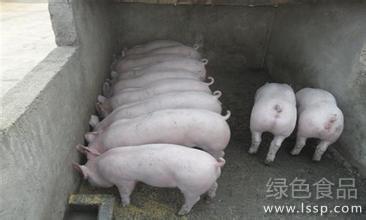
Pig farming
In the process of diagnosing and treating pig diseases, many farmers medicate according to the symptoms of the sick pigs, for example, using antidiarrheal drugs when they see diarrhea in the herd, or using antipyretic drugs when they see pigs with fever. Many people do not further consider treating the underlying cause and often adopt symptomatic treatment only. In fact, this method of choosing medication is wrong and may lead to worsening of the disease, so in production, medication for sick pigs must be chosen cautiously.
1. Safe medication
When choosing therapeutic drugs, it is best to choose drugs with few side effects and low residues, and not to use prohibited drugs. For example, when streptomycin is used together with gentamicin and kanamycin, pork products containing drug residues can cause damage to the auditory nerve center in humans after consumption. Therefore, these drugs all have withdrawal period regulations. When using them, full attention must be paid to the market date of the animals and their products to prevent excessive "drug residues" from creating hidden health risks for consumers. Do not use prohibited drugs, expired drugs, deteriorated drugs, fake or inferior drugs, or obsolete drugs, because these drugs not only have no disease-prevention effect, but also cause pigs to develop drug resistance and drug residues, endangering consumer health.
2. Rational medication
First of all, it is necessary to prescribe the right medicine for the illness, control the dosage and the optimal timing of medication, and ensure that drug use meets the needs of the condition and is targeted. Do not disregard the health of the pig body just for therapeutic effect and indirectly affect consumer health; drugs should be selected and used scientifically and rationally according to the condition. Strictly control the dosage. If the dosage is too small, it will not achieve the therapeutic effect and purpose. The dosage should also not be too large. If the dosage is too large, it not only wastes drugs but also causes drug harm. Overuse of antibiotics can also cause pathogenic microorganisms to develop drug resistance, making prevention and treatment difficult. Generally, the earlier the medication, the better the effect, especially for infectious diseases caused by microorganisms; early medication can quickly and effectively control the condition. However, for diarrhea caused by bacterial dysentery, it is not advisable to stop diarrhea too early, because stopping diarrhea too early prevents pathogens from being excreted in time, allowing them to multiply in large numbers in the pig's body; the result is not only unfavorable to improvement of the condition, but may instead cause more serious diarrhea. Generally, symptomatic treatment drugs should not be used too early, because although early use of these drugs can relieve symptoms, objectively it damages the pig body's protective response mechanisms, conceals the true nature of the disease, and makes diagnosis and prevention more difficult.
3. Effective medication
Fully consider the characteristics of the drug and choose a reasonable route of administration; for example, drugs that are not easily absorbed orally should be given by injection. For example, some bitter stomachic drugs such as gentian tincture and nux vomica tincture can only stimulate the taste buds, reflexively increase the excitability of the food center, strengthen the secretion of saliva and gastric juice, and exert their therapeutic effect through the oral route. If a gastric tube is used to administer the drug, the drug enters the stomach directly without passing through the oral cavity and cannot play a stomachic role. In addition, attention should be paid to the effective concentration of the drug. When kanamycin is injected intramuscularly, the effective concentration is maintained for 12 hours. Therefore, for continuous intramuscular injection of kanamycin, the interval should be within 10 hours. Penicillin powder for injection should generally be repeated every 4—6 hours, while oil-based procaine penicillin can be administered once every 24 hours.
4. Pay attention to incompatibilities between drugs
When using drugs, also pay attention to whether there are contraindications among various drugs, and be sure to note this issue. For example, acidic drugs and alkaline drugs cannot be mixed; after mixing, the efficacy will be reduced or lost, so mixing is prohibited. When oral live bacterial preparations are used, antibacterial drugs and adsorbents should be prohibited. Sulfonamide drugs combined with vitamin C will produce precipitation. Sulfadiazine sodium injection combined with most antibiotics will produce turbidity, precipitation, or discoloration, so it should not be mixed and must be used separately.