Five types of feed that cattle and sheep must not eat when temperatures are low in late autumn and early winter
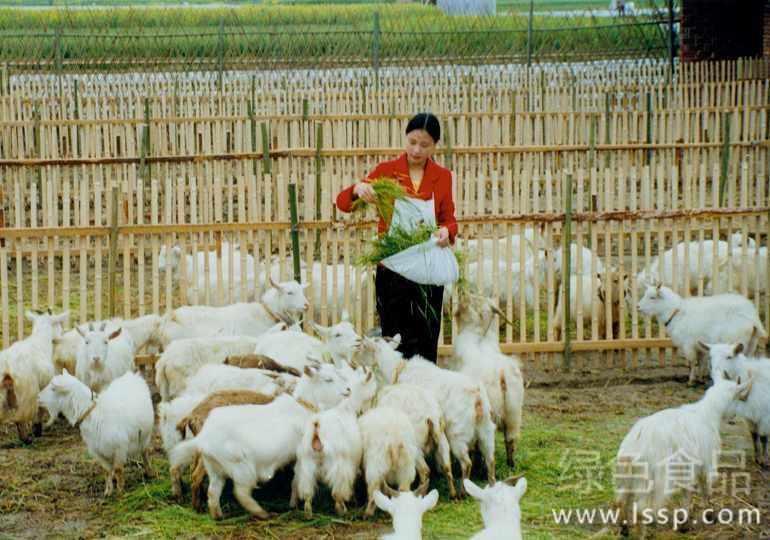
Sheep farming
Late autumn and early winter is a season when temperatures are unstable and change considerably. It has a great impact on both animals and plants. During this period, special attention must be paid to preventing cattle and sheep from eating five types of feed.
1. Dew-covered grass. In late autumn and early winter, when the weather turns cold, grass blades are often covered with dewdrops in the early morning and toward evening. If cattle and sheep eat this kind of grass, it can cause rumen bloat. Therefore, when grazing cattle and sheep in late autumn, wait until the sun rises and the dew has disappeared before heading out in the morning, and return from grazing before the dew appears in the evening.
2. The soft husk leaves from corn cobs. These are the soft leaves peeled off after the corn cobs are harvested. The soft leaves of corn cobs are soft in texture and sweet in taste, and cattle and sheep like to eat them very much, especially when hungry, when they often swallow them in large pieces. Some farmers, busy with farm work and to save time, do not chop them short or mix them with hay, and directly feed whole pieces of corn cob soft leaves to cattle and sheep. This is very dangerous. Although the soft leaves of corn cobs taste sweet and cattle and sheep like to eat them, they contain a large amount of crude fiber and are especially tough, making them unsuitable for chewing and digestion. They gather in the omasum and cause blockage; over time they ferment, rot, and produce gas, and generate large amounts of toxic substances, leading to acid poisoning and death of the body.
3. The second-growth shoots of sorghum and corn after harvest. The second-growth shoots of sorghum and corn after the autumn harvest contain large amounts of hydrocyanic acid. Hydrocyanic acid is a highly toxic substance, and cattle and sheep are very likely to be poisoned after eating it. This kind of second-growth shoot cannot be used as forage for cattle and sheep, nor should cattle and sheep be grazed in fields where second-growth shoots are growing.
4. Frostbitten castor leaves and stems. In late autumn, frostbitten castor leaves and stems contain a toxin called ricinine, and cattle and sheep are very likely to be poisoned after eating them.
5. Half-dry, half-moist sweet potato vines. After cattle and sheep eat large amounts of them, they are very likely to suffer from intestinal blockage (also called constipation or impaction). This is because when sweet potatoes are harvested, their vines have already aged, and the crude fiber in the vines has increased; after being exposed to sunlight for a few days, the crude fiber becomes even softer and also has toughness. After cattle and sheep eat them, these tough and hard-to-break crude fibers become tangled into balls in the intestines, some blocking the large intestine and some blocking the small intestine. If this disease is not diagnosed and treated in time, it can easily cause death.