Prevention and Treatment of Acute Septicemic Infectious Disease Duck Infectious Serositis
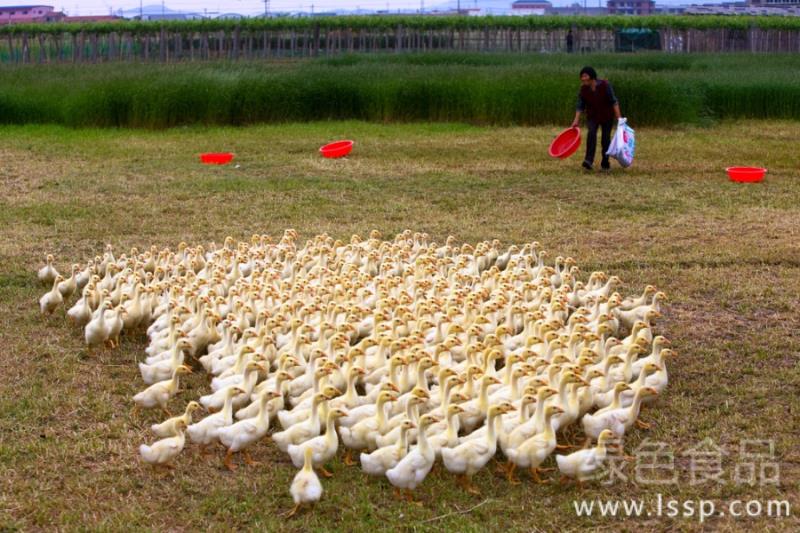
Duck Farming
Duck infectious serositis, also known as Riemerella anatipestifer disease, is an acute septicemic infectious disease that affects ducklings. It is characterized by fibrinous inflammation on the serous membranes throughout the body, and both its morbidity and mortality rates are very high, making it an important infectious disease harming the duck farming industry. Through surveys of duck farmers in Weifang, Shandong and more than a dozen surrounding counties and cities, the author found that almost every batch of ducks develops this disease, and the cost of treating it can reach about 60% of the total medication expenses.
1. Epidemiology. Ducks of all breeds can be infected, with Muscovy ducks being particularly susceptible. It mainly occurs in ducklings aged 2-5 weeks, has a short course, and often takes an acute form. It can occur throughout the year, but is more common in winter and spring. Infection mainly occurs through the respiratory tract or skin wounds. The occurrence of this disease is closely related to stress factors, and sudden exposure to cold or rain can trigger outbreaks in carrier duck flocks. Factors such as excessive stocking density during the brooding period, dampness, poor ventilation, and feed deficient in vitamins, trace elements and protein can easily induce the spread of this disease. The infection rate can reach as high as 90%, while the mortality rate varies depending on whether treatment is timely and appropriate, ranging from as low as 5% to as high as 80%.
2. Clinical symptoms. The incubation period of this disease is 1-3 days, and in some cases up to 7 days. The most acute cases often die suddenly without any symptoms. Acute cases show depression, neck retraction, lethargy, pushing the beak into the ground, weak legs, unwillingness to move, ataxia, no eating or reduced eating, ocular discharge that often causes the feathers around the eyes to stick together and fall out, nasal discharge, yellow-green feces, and abdominal distension. Before death there are convulsions, head shaking, neck arching backward and legs stretched out in opisthotonus, and death from convulsions. Generally, diseased ducks take about 1-2 hours from the appearance of obvious symptoms to death, rarely more than half a day. Subacute or chronic cases are mostly ducks aged 7-8 weeks, and the course can last more than a week. Diseased ducks are depressed, eat little or nothing, lie on the ground, are unwilling to move, have weak and powerless legs, dry and shrunken skin, and arthritis. When standing they assume a dog-sitting posture, with difficulty breathing, ataxia, torticollis, circling, backing up, and emaciation, finally dying.
3. Diagnosis. Using aseptic technique, take exudate from the liver and heart of diseased ducks, inoculate it onto chocolate agar plates, and place them in an anaerobic jar for 24 hours of culture. Round, raised, smooth, creamy, translucent colonies can be seen. Take these colonies for smear microscopy, and oval-shaped Gram-negative bacilli arranged singly or in pairs can be seen, most of them stained at both poles. Based on epidemiology, clinical symptoms, necropsy changes and laboratory examination, a diagnosis of duck infectious serositis can be made.
4. Prevention and Treatment
1. Treatment: To avoid blind medication, it is best to screen drugs through drug sensitivity testing. This can avoid taking the long way around and is easier to carry out. This disease is relatively sensitive to drugs such as spectinomycin, florfenicol and levofloxacin. First, isolate the affected ducks and inject 4% levofloxacin injection at 0.2 ml per kg of body weight. For the large flock, add Chuanlijian (spectinomycin) to the water twice a day, with each bottle mixed into 150 kg of water. In addition, during the outbreak, change the usual twice-weekly disinfection with ducks present to once daily, and add Baidusha to the water troughs at a ratio of 1:8000 to disinfect the drinking water. Burn or deeply bury dead ducks to prevent the spread of the epidemic and the persistence of the pathogen.
2. Prevention: For the prevention of this disease, inactivated Riemerella anatipestifer vaccine can be used, with one inoculation at 10-14 days of age and another at 2-3 weeks of age.