New Feeding Method for High-Yielding Dairy Cows: Feed Quantity Matters, but Quality Matters More
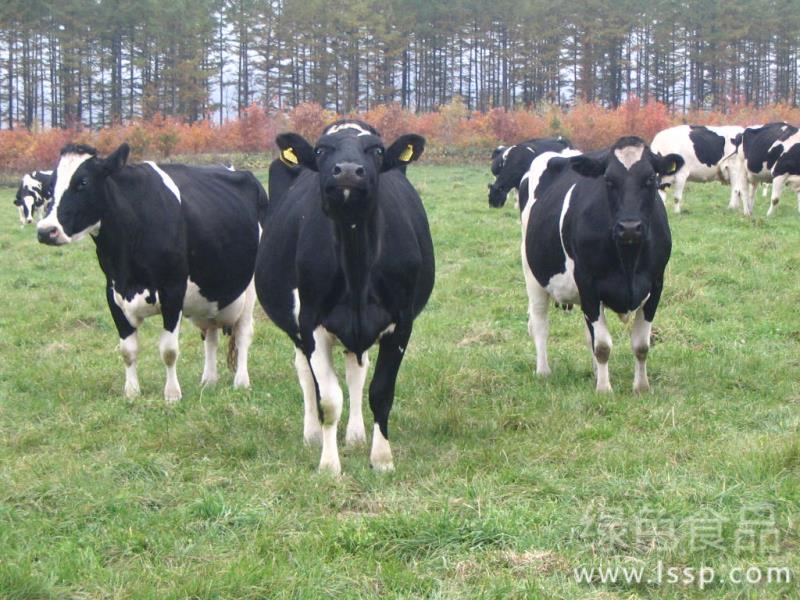
Dairy cows
High-yielding dairy cows need to consume 80 kg-100 kg of feed per day (roughly equivalent to 20 kg-25 kg of dry matter) to meet their own physiological needs. High-yielding dairy cows generally produce more than 30 kg of milk per day, and more than 6000 kg of milk per lactation period. Because high-yielding dairy cows have to produce a large amount of milk, they need a great deal of nutrients.
Because they have to digest and absorb the nutrients in this feed, not only do the digestive organs work intensively, but the metabolic functions of the entire organism are also enhanced accordingly. Therefore, dairy cows must have a strong constitution to adapt to these physiological activities.
The ration formulation for high-yielding dairy cows requires complete nutritional distribution, a rich variety of feed types, good quality, and relatively easy digestion and absorption. Generally, the ration is based on high-quality hay, silage, root crops and green succulent feed, etc., with an appropriate amount of concentrate added. This is because green succulent feed is not only highly palatable, but also promotes the full secretion of digestive juices, thereby improving the utilization efficiency of other feeds. Practice has proved that high and stable yields cannot be achieved by simply feeding more concentrate; only by appropriately adding concentrate on the basis of increasing roughage can the role of the concentrate be fully brought into play.
The ration of high-yielding dairy cows must not only guarantee quantity, but also guarantee quality. The feed should include various amino acids necessary for milk formation, such as lysine, tryptophan and arginine. In other words, the higher the protein completeness of the ration of high-yielding dairy cows, the better the effect on increasing milk production. Moreover, the more appropriate the proportions of roughage, succulent feed and concentrate in the ration, the better the quality, and the more appropriate the proportion of mineral supplements, the more likely high and stable yields can be achieved.
Because high-yielding dairy cows have to consume a large amount of feed every day, the number of feedings should be increased, generally more than 4 times a day. There should be automatic drinkers for watering; if there are no automatic drinkers, the number of daily waterings should be more than 5 times.