Reasonable watering for chickens in winter: small details bring big returns
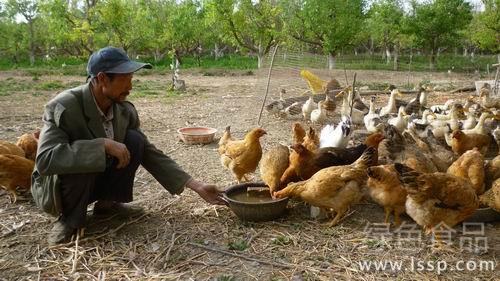
Poultry farmers
When it comes to water supply, people generally give it enough attention in summer, but in winter the water requirement of chickens is relatively lower, so people often neglect their drinking water. In fact, chickens also need water in winter to maintain normal life activities and production. When a flock lacks water, at best appetite declines and egg production drops; in serious cases the flock stops laying, the chickens become emaciated, and finally they die of exhaustion. In winter, the following points about drinking water should be noted:
The water temperature must not be too low. Chickens drinking water that is too cold can cause the laying rate to drop and feed consumption to increase. The water temperature should generally be 10°C-20°C. Where conditions permit, a large container can be placed in the chicken house to hold water so that the water temperature rises.
The amount of water in the trough should be appropriate. There should not be too much water in the trough, to avoid the chickens' bodies getting wet and suffering frostbite. For floor-raised chicken houses, the drinking trough must have a device to prevent the chickens from getting into it.
⟧ Ensure the drinking water is clean. The chickens' drinking water must be clean and hygienic, and the troughs must be cleaned frequently.
Supply sufficient drinking water. A chicken's water requirement is generally 2 times the feed it consumes, but the actual requirement is often affected by air temperature and the type of feed consumed, so sufficient drinking water should be supplied and the chickens should be allowed to drink freely.