What issues should be noted when disinfecting large-scale farms?
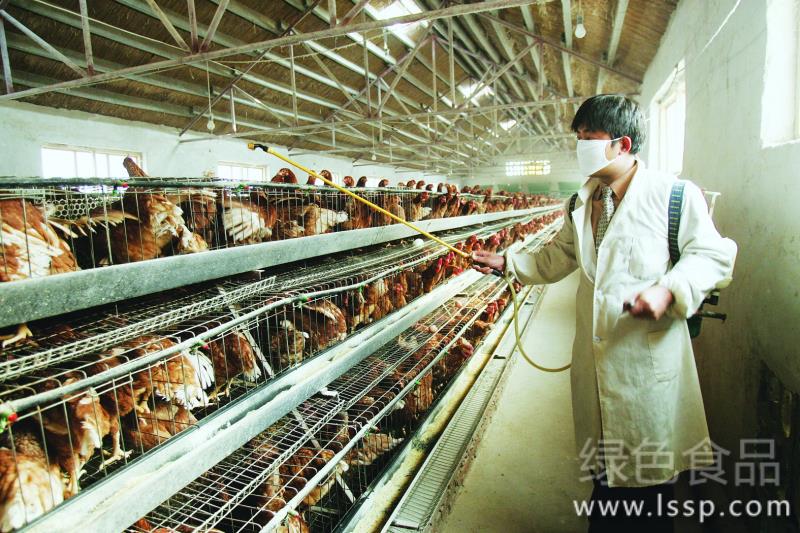
Farms
Disinfection work on farms is an important measure for preventing and stopping the infection, occurrence, spread, and epidemic of infectious diseases, as well as for controlling infectious diseases. Large-scale farms often carry out disinfection. However, because some farmers lack sufficient understanding of disinfection work and disinfection techniques are not standardized, disinfection is not thorough, making disease prevention and control more difficult and causing serious economic losses to farms. During the process of guiding pig science and technology demonstration households in disinfection in Yangguang Town, Tonghai County, we found the following issues that are worth considering for pig-raising friends.
1. Selection of disinfectants
First, the choice of a suitable disinfectant should target the characteristics of the pathogenic microorganisms to be killed, whether they are bacteria, viruses, parasites, bacterial spores, etc., and this is the key to the success or failure of disinfection work. For example, coronaviruses are relatively sensitive to chlorine-containing disinfectants, formaldehyde, potassium permanganate, iodine, peracetic acid, etc. Second, the spectrum of pathogens killed should be broad, the disinfection action should be fast, the properties should be stable, and it should be easily soluble in water, colorless, odorless, and without smell. Third, it should be non-corrosive to articles, easy to remove residues from, low in toxicity, and convenient for transport and storage, etc.
2. Read the drug instructions carefully and use disinfectants correctly
Prepare the disinfectant solution according to the provisions and requirements of the disinfectant instructions. Do not arbitrarily increase or decrease the drug concentration, and do not randomly mix two different disinfectants for use or simultaneously disinfect the same article with them[3].
3. Pay attention to the effects of environmental temperature and humidity on disinfectants
Pay attention to factors such as temperature, humidity, pH, and organic matter that affect the disinfection effect, and ensure that the disinfectant has a sufficient dosage and sufficient contact time, so as to ensure the expected disinfection effect.
4. Pay attention to disinfection of places such as wall corners, room corners, windowsills, and railings
Prepare the solution strictly according to the use concentration specified for the disinfectant, spray evenly until there is a moist feeling, do not pursue a high number of disinfection times, and make each disinfection thorough.
5. Concentration and time of disinfectants
Generally speaking, the higher the concentration of the disinfectant, the stronger the bactericidal power, but as the concentration of the disinfectant increases, the toxicity to living tissues (livestock and poultry bodies) correspondingly increases. On the other hand, when some disinfectants exceed a certain concentration, the disinfection effect instead weakens. For example, the bactericidal effect of 70%-75% alcohol is better than that of 95% alcohol. The effectiveness of a disinfectant is directly proportional to the disinfection action time. The longer the contact and action time with pathogenic microorganisms, the better the disinfection effect. Therefore, the disinfection action time must not be too short.
6. Most disinfectants have certain toxic side effects and corrosiveness to humans, livestock, and articles
During use, attention should be paid to the safety of humans and livestock and to personal protection, so as to avoid harm (injury) to humans and livestock from disinfectants.