What can be added to foliar fertilizer to boost its effectiveness?
What can be added to foliar fertilizer to boost its effectiveness? Please explain the method. To boost the effectiveness of foliar fertilizer, you can add sodium nitrophenolate. The following are the five major advantages of sodium nitrophenolate: 1. It prompts plants to absorb multiple nutrients simultaneously and removes the antagonistic effects between fertilizers. 2. It enhances plant vitality, promotes the plant's demand for nutrients...
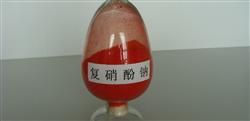
What can be added to foliar fertilizer to boost its effectiveness? Please explain the method
To boost the effectiveness of foliar fertilizer, you can add sodium nitrophenolate. The following are the five major advantages of sodium nitrophenolate:
1. It prompts plants to absorb multiple nutrients simultaneously and removes the antagonistic effects between fertilizers.
2. It enhances plant vitality, promotes the plant's demand for nutrients, and protects against plant decline.
3. It dissolves the PH barrier effect, changes the acidity and alkalinity, enables plants under suitable acid-base conditions to turn inorganic fertilizer into organic fertilizer, overcomes the aversion to inorganic fertilizer, and makes plants eager to absorb it
4. It increases the fertilizer's penetration, adhesion and spreading power, breaks the plant's own limitations, and enhances the fertilizer's ability to enter the plant body.
5. It increases the speed at which plants utilize fertilizer, stimulating plants to no longer hold fertilizer back.
The synergistic effect of sodium nitrophenolate on foliar fertilizer:
Sodium nitrophenolate can increase the permeability of the leaf's waxy layer, improving the penetration rate of nutrient elements and the fertilizer utilization rate of foliar fertilizer.
Sodium nitrophenolate can increase leaf respiration, widen the stomata, and let nutrients enter the stomata in greater amounts and more quickly, improving fertilizer efficiency.
Sodium nitrophenolate can promote plant leaves to turn green, grow larger and thicker, increasing the leaf surface's contact area with nutrient elements. The larger the contact area, the higher the leaf's absorption rate of nutrient elements
Sodium nitrophenolate is a green, high-efficiency plant cell revitalizing agent that combines nutrition, regulation and prevention. After being absorbed by roots, stems and leaves, it can quickly penetrate into the plant body, promote the flow of cell protoplasm, increase cell vitality, and accelerate plant growth and development. It is widely applicable to many crops, and can be applied at any period from sowing to harvest. It has effects such as promoting roots and strengthening seedlings, advancing flowering, protecting flowers and fruits, improving quality, increasing yield, and enhancing stress resistance.
I. Functional characteristics of sodium nitrophenolate
1. Broad spectrum Sodium nitrophenolate can be widely applied to food crops, cotton crops, oil crops, melons, fruits and vegetables and many other crops, as well as animal husbandry and fisheries. For plants, it can be applied at any period from sowing to harvest.
2. High efficiency In pesticides and fertilizers, only a little sodium nitrophenolate needs to be added to increase the pesticide (fertilizer) effect by more than 40% and reduce the amount of pesticide and fertilizer used by 20%, making the fertilizer (pesticide) effect even more remarkable.
3. Increasing yield and improving quality After applying sodium nitrophenolate, food crop grains are plump and the thousand-grain weight increases; vegetable crop leaves are thick and the leaf color is dark green; solanaceous fruit crops have solid flesh, high nutrient content and good taste.
4. Enhancing stress resistance Sodium nitrophenolate can promote the flow of cell protoplasm, increase cell vitality, accelerate plant growth and development, enhance detoxification function, and improve the crop's resistance to disease, deterioration, cold, drought, salinity and alkalinity, lodging and other stress factors.
5. Regulating the balance of endogenous hormones After sodium nitrophenolate is absorbed by plants, it can regulate the balance of endogenous hormones in the plant body such as gibberellin, cytokinin, auxin, abscisic acid and ethylene, promote the plant's internal disease-resistant metabolic processes, increase the activity of defensive enzymes, and enhance resistance.
6. Low toxicity, pollution-free, no residue Sodium nitrophenolate has been designated by the International Food and Agriculture Organization (FAO) as a plant growth regulator for green food projects. It has advantages such as low dosage, good effect, low cost, and no toxic side effects on animals or humans. At present it is widely promoted and applied in the breeding industry, used as a feed additive for poultry and livestock. While increasing the yield and quality of meat, eggs, wool and hides, it can also enhance animals' immunity.
II. Application techniques of sodium nitrophenolate
1. Used alone
Sodium nitrophenolate is a high-efficiency plant growth regulator that combines nutrition, regulation and disease prevention. It can be made into a liquid formulation or a powder formulation (1.8% sodium nitrophenolate aqueous solution, 1.4% sodium nitrophenolate soluble powder) and used alone.
2. Used in combination with fertilizer
When sodium nitrophenolate is used in combination with fertilizer, it can remove antagonistic effects, regulate soil PH value, supply energy, and improve the plant's absorption rate of nutrient elements, multiplying your fertilizer effect. (Reference dosage 3-6‰)
3. Used in combination with foliar fertilizer
When sodium nitrophenolate is used in combination with foliar fertilizer, it can promote plant leaves to grow larger and thicker, widen the stomata, improve photosynthetic efficiency, enhance the permeability of the leaf cuticle, and improve the penetration rate of nutrient elements and the fertilizer utilization rate.
4. Used in combination with water flush fertilizer
When sodium nitrophenolate is used in combination with water flush fertilizer, it can make crop roots well developed, leaves thick, dark green and glossy, stems thick and stalks strong, fruits expand quickly, colors bright and marketable earlier, etc. (Compound amount 1-2‰)
5. Used in combination with fungicide
When sodium nitrophenolate is used in combination with fungicide, it can enhance the plant's immunity, improve the plant's disease resistance, and reduce infection by pathogenic bacteria. At the same time, it increases the fungicidal function, enabling the fungicide to produce an obvious fungicidal effect within two days, with a long duration of efficacy, increasing the pesticide effect by 30-50% and reducing the pesticide dosage by more than 10%. (Reference dosage 3-6‰)
6. Used in combination with seed coating agent and virus agent
When sodium nitrophenolate is used in combination with seed coating agent and virus agent, it may shorten the seed dormancy period, promote cell division, induce rooting and sprouting, resist the invasion of pathogenic bacteria, and make seedlings robust. (Compound amount 1‰)
Click to get more foliar fertilizer application methods
Click to get more fertilizer application methods