How to correctly apply foliar fertilizer to greenhouse tomatoes?
How should foliar fertilizer be applied to greenhouse-grown tomatoes? Here is an introduction to the method. Foliar fertilization of greenhouse tomatoes generally starts after fruit set and continues until the plants are pulled up, and this plays an important role in the process of tomato yield formation. 1. Determine the nutrient type according to the growth stage of the tomato. In the early fruiting stage, potassium dihydrogen phosphate, ...
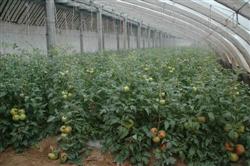
How should foliar fertilizer be applied to greenhouse-grown tomatoes? Here is an introduction to the method
Foliar fertilization of greenhouse tomatoes generally starts after fruit set and continues until the plants are pulled up, and this plays an important role in the process of tomato yield formation.
1. Determine the nutrient type according to the growth stage of the tomato. In the early fruiting stage, potassium dihydrogen phosphate, compound fertilizer, etc. can be used. In the peak fruiting stage, urea, sugar, and various special foliar nutrient solutions such as Dayuan No. 1 and Jiake'an can be used.
2. Determine the nutrient type according to weather conditions. In cloudy and snowy weather, light in the greenhouse is insufficient, photosynthesis is poor, and the sugar supply of the tomato is insufficient, so foliar spraying of sugar has a relatively good effect.
3. Spray calcium fertilizer on the leaves in a timely manner. During the fruiting stage of tomatoes, it is recommended to spray calcium fertilizers such as calcium chloride, superphosphate, amino acid calcium, and Bugailing to meet its need for calcium.
4. The interval between foliar fertilization should be appropriate. The suitable interval is 5-7 days. Among these, the spraying interval for inorganic chemical fertilizers is generally no less than 7 days, and the interval for organic fertilizers is generally about 5 days.
5. Foliar fertilization should be carried out in combination with disease prevention. On consecutive cloudy days, the number of foliar fertilizer sprayings should be reduced, a protective fungicide should be added during fertilization, and short-term ventilation should be carried out after fertilization to reduce the incidence of disease.
6. If leaf damage occurs due to improper use of foliar fertilizer, rinse the leaf surface with clean water to wash away excess fertilizer, and increase the water content of the leaves to alleviate the degree of leaf damage.
Click to get more foliar fertilizer application methods
Click to get more fertilizer application methods
Click to get more tomato cultivation techniques