Detailed Explanation of Prevention and Treatment Methods for Three Common Diseases of Grass Carp
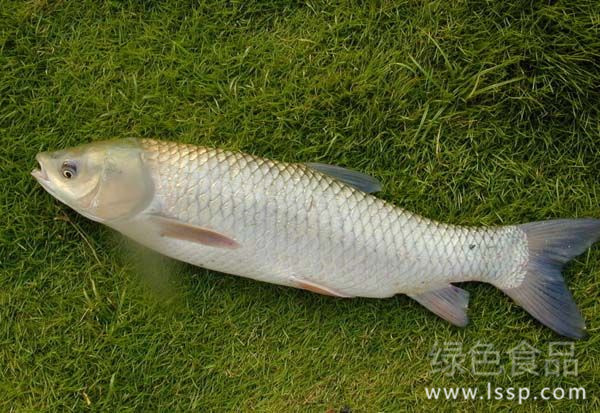
Grass carp
In spring and summer, as water temperatures rise, various pathogens easily breed and multiply in the water, so this season is when fish are prone to disease. Without prevention, fish diseases are easily triggered. Grass carp in particular have a relatively high disease mortality rate and cause great losses. Here is a popular introduction to the symptoms and prevention and treatment methods of three major fish diseases of grass carp:
One,gill rot disease: prevalent from April to October, with the heaviest incidence during the period from the Beginning of Autumn to the Autumn Equinox. Sick grass carp have congested, rotting gills; the gill edges develop "skylights," and mucus sticks the gill filaments together, causing blockage within the gills and death of the diseased fish by suffocation.
Prevention and treatment method: sprinkle 1 mg/kg bleaching powder over the entire pond.
Two,enteritis disease: generally prevalent from May to October. Diseased fish have a distended abdomen with red spots, protrusion and redness and swelling; the abdominal microvessels become congested, forming blood clots, and mucosa spills out. This disease causes a mortality rate as high as 50% to 90% in 1-2 year old grass carp.
Prevention and treatment method: sprinkle 1 mg/kg bleaching powder or 30-40 kg of quicklime over the entire pond; for every 10,000 fish fingerlings or 50 kg of adult fish, use 250 g of garlic bulbs, 200 g of salt, and 54 kg of bait, preferably mixed with dry flour into balls and fed, for one week continuously.
Three,saprolegniasis: easily prevalent in early spring. Sick grass carp have localized scale loss on the body surface, and the body surface becomes moldy or grows fuzz; swimming becomes abnormal, appetite decreases, and the fish gradually become emaciated and then die. This is mainly caused by injuries to the grass carp body during winter and spring seining, catching, transport, and stocking, which cause localized scale loss and allow pathogens to invade the fish body.
Prevention and treatment method: during catching, transport, and stocking, special care must be taken to protect the fish body from injury; when stocking grass carp fingerlings, the fish body can be soaked and washed in 5% salt water for 5-10 minutes (the soaking time for fingerlings can be determined according to air temperature and the fish's tolerance); use 30-40 kg of quicklime per mu, mix with water, and sprinkle over the entire pond.