Four Key Technical Points for Pigeon Breeding in Spring
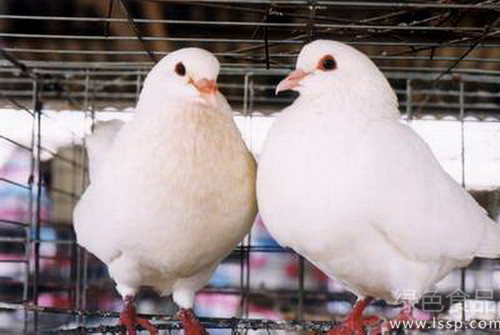
Pigeons
In spring, pigeons have vigorous metabolism, and it is also the peak season for egg laying. Pigeon breeders must ensure that the nutritional composition of the pigeons' daily diet is complete and sufficient, and increase the supply of protein, vitamins and minerals.
Spring is the peak period for pigeon breeding. Many female pigeons begin laying eggs and incubating again when the squabs are about 13 days old, so at around 13 days of age, the squabs should be moved from the pigeon nest bowls to the padding on the cage floor. Then the original nest bowls should be thoroughly cleaned, dried in the sun, disinfected and put back in place. The squabs are brooded on the cage floor while eggs are laid and incubated in the nest bowls, so that both egg laying and brooding proceed without delay.
Spring has a lot of rain and high humidity, and the ammonia concentration in the pigeon house is relatively strong, making pigeons prone to diarrhea and colds. Therefore, the pigeon house should be ventilated. When the temperature is relatively high at noon or when it is warmer, open the doors and windows of the pigeon house for ventilation. Note that fresh lime should be used to absorb moisture on the floor of the pigeon house. When the weather changes suddenly or during continuous rainy days, preventive medication should be given. Feed the pigeons yeast tablets, antibacterial drugs, or anti-inflammatory and sterilizing Chinese herbal medicines to prevent epidemics.
Feed is prone to mold in spring. Before feeding the pigeons, the feed should be washed, dried, and impurities rinsed off to reduce mold. Generally, the feed should be washed and dried and used up on the same day. It is strictly forbidden to use moldy, deteriorated, or severely insect-infested feed.