How to prevent diseases in chicken flocks in spring
In spring there is more plum rain and thunderstorm weather, the humidity inside chicken coops is high, there are few favorable days for grazing and grazing time is short, so most chicken flocks are raised in sheds. If chicken farming is managed improperly, large numbers of bacteria and viruses will multiply in the coop and invade the chickens' bodies, leading to large-scale infectious diseases. What you need to know about raising chickens in early spring:
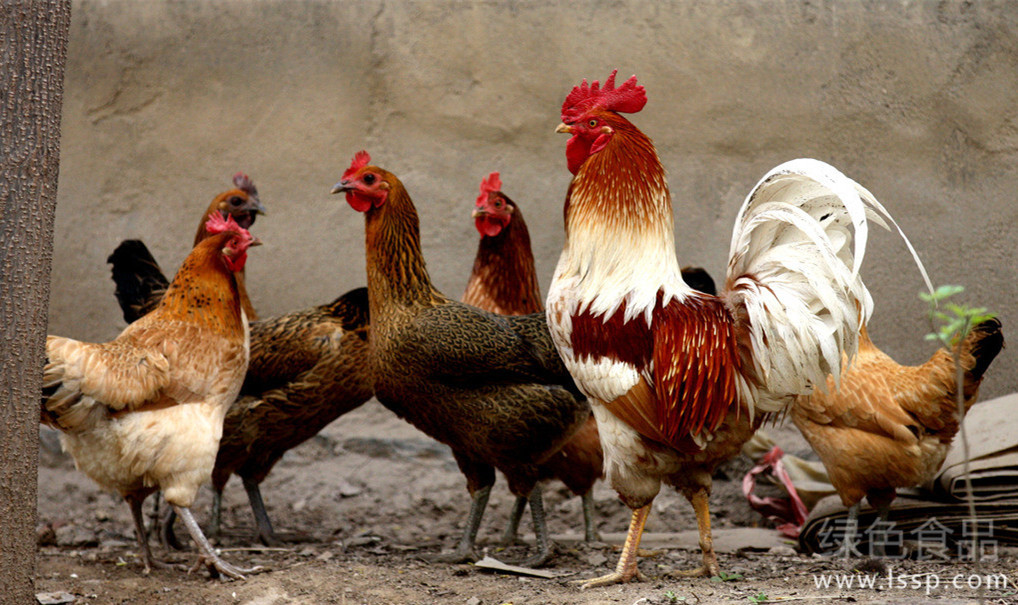
Chicken
1. Cold protection and warmth retention Spring weather is changeable, and late spring cold snaps and the like are hard to guard against. So you can appropriately increase the stocking density and close the doors and windows. Some heating facilities such as straw curtains and stoves should not be removed easily, and the temperature inside the coop should be maintained at no less than 3°C to 5°C.
2. Moderate ventilation Do a good job of indoor ventilation and promptly remove debris and manure from the coop. On sunny midday hours, open the windows for ventilation to ensure fresh air and sufficient oxygen inside the coop.
3. Prevent dampness Rainy spring weather very easily makes the coop damp, which is unfavorable for raising chickens. Therefore, management must be strengthened, and care should be taken to keep the coop clean and dry. When adding water to the troughs, never let water overflow the trough, and never splash water onto the floor inside the coop.
4. Regular disinfection In spring, chickens should often be disinfected by the method of drinking water disinfection. That is, add disinfectant to the chickens' drinking water in proportion (such as Baidusha, Qiangli Xiaoduling, sodium hypochlorite, Weidao disinfectant, etc.), once a week. For the coop floor, dry powder disinfectants such as Qiangli Xiaoduling and lime can be used for disinfection, once or twice a week is more suitable.
5. Supplemental lighting Generally, the total daily lighting time in the coop should not be less than 14 hours, but also should not exceed 17 hours. When daytime light is insufficient, artificial lighting can be used as a supplement, with an intensity of 2 to 4 watts of light per sq m of coop area as suitable.
6. Reduce stress Feeding, adding water, collecting eggs, disinfecting, cleaning manure, and cleaning up should be done at set times, and movements should be gentle when working. At the same time, add an appropriate amount of vitamins or other anti-stress drugs to the chickens' feed or drinking water to prevent and reduce the occurrence of stress reactions in the flock.
7. Increase energy In spring, feed chickens feed that ensures sufficient energy. In the daily ration, in addition to maintaining a certain proportion of protein, also appropriately increase high-energy feed containing more starch and sugars to meet the chickens' needs.
8. Improve physique In addition to regular preventive vaccination of the chickens, some preventive drugs can also be fed, and the content of vitamins and trace elements in the feed can be appropriately increased.
9. Eliminate rodent damage In spring, rats often gather in chicken coops, so efforts should be made to eliminate them.