Feeding and Management Methods for Ducks to Lay More Eggs in Spring
Ducks have two peak egg-laying periods in a year. The first is from March to May, and the second is from August to October, with spring egg production being more prominent. Therefore, doing a good job of feeding and managing laying ducks during these two periods, especially in spring, is crucial.
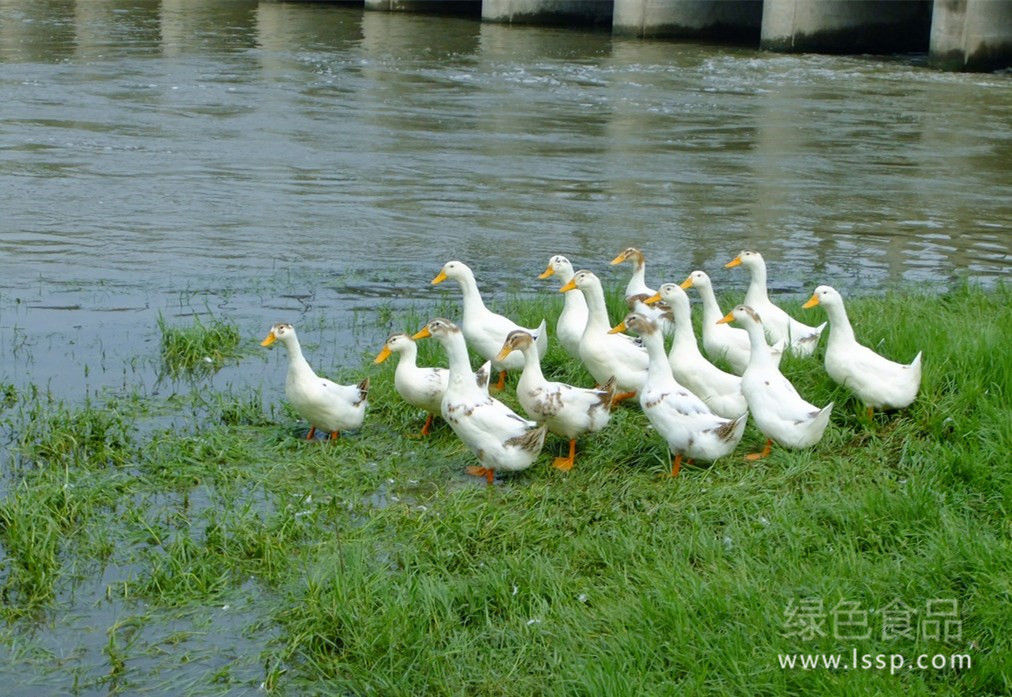
Ducks
1. Choose good grazing grounds. Before the spring seedlings turn green, drive the female ducks to ponds and ditches to graze, letting them forage for fish, shrimp, loaches and aquatic organisms. Once spring plowing begins, they can be grazed in plowed green-manure fields being prepared for rice transplanting; such fields contain many natural feeds for the female ducks to eat, such as grass seeds, grass roots, earthworms and insects. Rice paddies that have been transplanted cannot be used as grazing grounds because chemical fertilizers or pesticides have been spread there.
2. Graze carefully. Early spring temperatures are on the low side, so it is best to graze late and return early, and to appropriately extend the grazing time every day. When grazing, pay attention to the water temperature, and go into the water and up the slope slowly to avoid injuring the ducks' feet. Duck raisers in river-network areas can use river channels for grazing; when grazing, they should go upstream, because at this time the ducks have plenty of strength and catch more food. In windy weather, graze against the wind and appropriately control the walking speed of the flock, to avoid the wind ruffling the ducks' feathers and chilling their bodies. In the coming year, the female ducks will move slowly because of their large size; after eating their fill, they like to lie down on the ground instead of walking, which easily accumulates fat and affects egg laying, so this must be controlled and they should be kept moving as much as possible to increase their activity. Laying ducks are timid and easily startled, so the grazing route must not be changed too suddenly each time. Male ducks have relatively strong sexual desire during the peak egg-laying period, so pay attention to the ratio of male to female ducks in the flock, lest the flock become restless and affect the female ducks' egg laying.
3. Supplement feed in good time. During the peak egg-laying season, the female ducks' egg-laying intensity is relatively high, and the amount they graze and move about each day is also large, but although the live food and green fodder they eat is large in volume, its nutrient concentration is very low, and it is generally difficult to meet the nutritional needs of laying female ducks. Therefore, feed should be supplemented in good time every day according to how many eggs the ducks lay and the flock's feeding situation. When temperatures are relatively low, ducks should also be given appropriate supplementary feeding of energy feeds such as grain, so as to strengthen the female ducks' ability to resist the cold.