Six Methods to Increase Milk Production in Dairy Cows in Spring
Spring is an important season for milk production in dairy cows. In order to help dairy cows produce more milk in spring, dairy farmers should pay close attention to the following six points in dairy cow feeding and management:
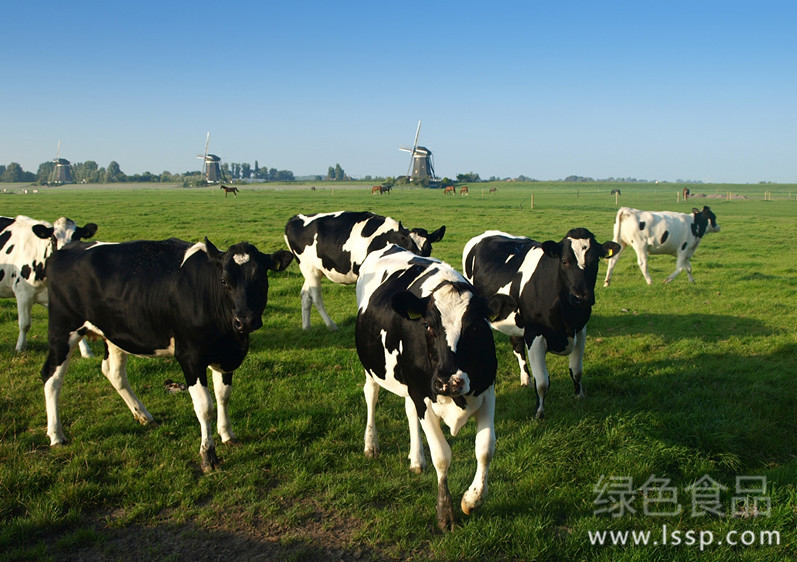
Dairy cow
1. Maintain a suitable temperature
Around 20°C is the critical temperature for milk production in dairy cows, but reaching this temperature in early spring is difficult, so apart from raising cattle in a warm shed, at the very least the temperature of the dairy cow barn should be kept at around 10°C.
2. Provide sufficient dietary nutrition
On the basis of feeding dairy cows enough hay or silage, the nutritional content of the diet should also be appropriately increased. When there is no green feed, prepare three to five kilograms of carrots, fresh Chinese cabbage leaves or potatoes, etc. each day, chop them up and then feed them. On the basis of normal milk production in dairy cows, for every additional 3 kilograms of milk produced, an additional 1 to 1.5 kilograms of mixed concentrate should be fed accordingly, to ensure the nutrition needed for milk production in dairy cows.
3. Supply sufficient warm water
If dairy cows are given cold water to drink in early spring, it will consume a large amount of their body heat and reduce milk production; if dairy cows do not drink enough water, certain diseases will follow. Therefore, dairy farmers should note that they should provide dairy cows with sufficient warm water at around 16°C every day; generally, use water freshly drawn from a well and add half a thermos bottle of boiled water to each bucket for the dairy cows to drink.
4. Keep the barn clean
Keep the dairy cow barn dry, because this helps with heat preservation, so plenty of bedding must be added and bedding must be changed frequently. Manure should be removed promptly, and some plant ash or lime powder should often be scattered inside the cow barn; doing this can reduce the humidity inside the dairy cow barn, also disinfect and prevent disease, and is also helpful for increasing milk production in dairy cows.
5. Persist with sun exposure and exercise
On clear, warm days, let the dairy cows exercise for at least two hours each day, then lead them to a place sheltered from the wind and facing the sun to bask in the sun, so as to strengthen blood circulation, aid digestion and increase milk production.
6. Carefully brush the cow's body
Because brushing a dairy cow's body can increase milk production, carefully brush the cow's entire coat 1~2 times every day.