How can fish fungal disease be prevented and treated effectively?
Saprolegniasis is commonly known as skin mold disease or white hair disease. When the water mold first parasitizes a fish, generally no abnormality can be seen in the affected fish; by the time symptoms are visible, the water mold mycelium has already invaded the fish's wound and is growing outward. If the fish is injured by careless handling during transport, suffers frostbite from low temperatures, or develops a primary lesion due to bacterial infection, parasites, and so on, the zoospores of the water mold invade through the fish's wound, absorb nutrients from the skin, and rapidly multiply at the injured lesion, spreading and expanding into cotton-wool-like hyphae. The hyphae become entangled with and adhere to the cellular tissue of the fish's wound, causing the skin to ulcerate and the tissue to necrose; at the same time, as the area expands, the burden on the fish becomes too great, swimming becomes abnormal, appetite decreases, the fish becomes emaciated, and ultimately it dies, weakened by disease.
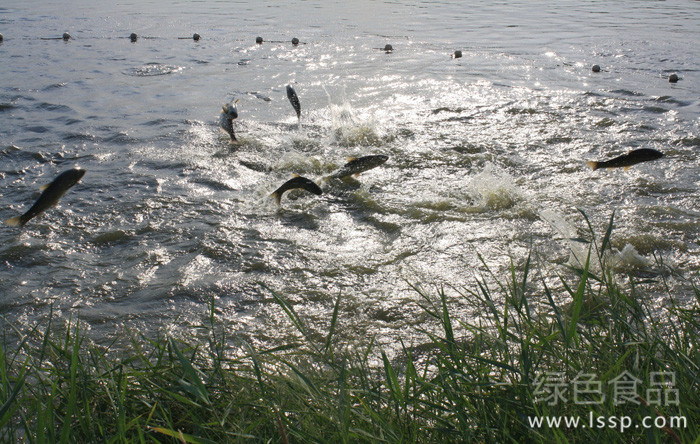
Fish
Targets and epidemic conditions of saprolegniasis: saprolegniasis occurs in seasons when the water temperature is below 20°C, and is most prevalent in early spring and late winter. Water molds are very unspecific in their choice of hosts and have no designated target; all farmed fish species, from eggs to adult fish, can be infected by water molds. Overwintering ponds with dense stocking, spring fish ponds with relatively clear, lean water, or fish in a state of starvation are all prone to saprolegniasis.
Prevention and treatment methods:
Prevention:Handle fish as carefully and meticulously as possible during the process of putting them into the pond, and do not let the fish body be injured. Before putting them into the pond, dilute "seedling soaking agent" with water at a ratio of 1/5000, place the fish in it for a medicinal bath for 3 minutes, then put the fish into the pond; after putting them in the pond, splash "sterilizing red" over the whole pond at a dosage of 50 milliliters per mu of water surface at 1 meter depth. On days when the water temperature is below 15°C, do not handle the farmed fish, so as to avoid abrasing and freezing the fish body.
Treatment:For each mu of water surface at 1 meter depth, splash "sterilizing red" over the whole pond at 100~125 milliliters.