What management measures are there after a disease outbreak in a chicken flock
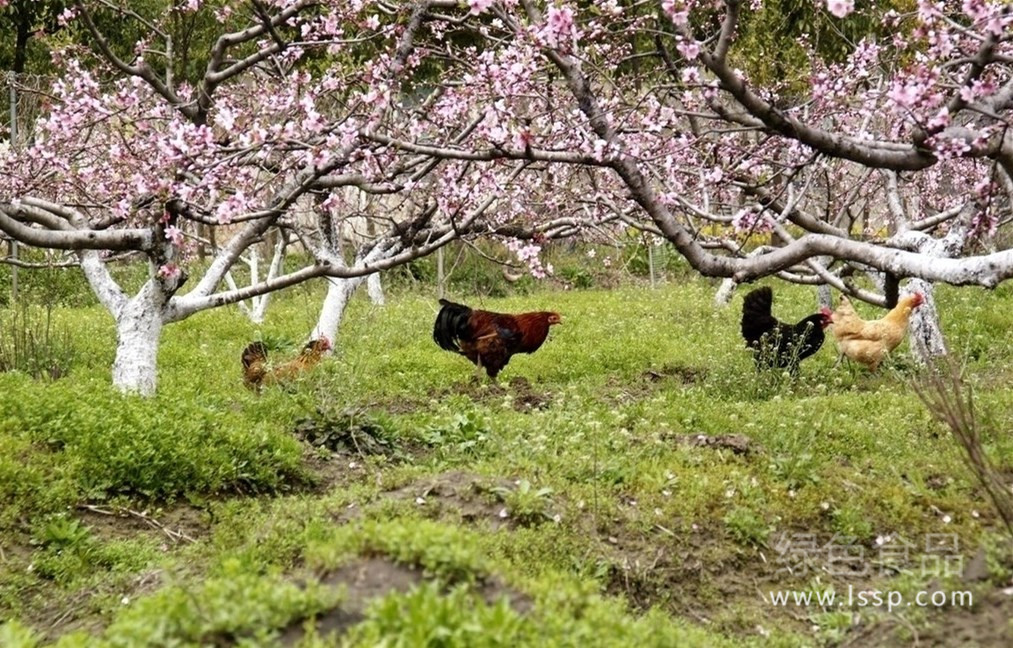
Chicken flock
During the period of illness, the chicken flock will experience physiological dysfunction, manifested as a decline in the ability to adapt to the environment, but the chickens' demand for nutrients increases, and the regulation of the chickens' endocrine system will also be affected. If at this time the farmer can adopt better management measures and provide auxiliary treatment, then the recovery of the flock's condition will achieve twice the result with half the effort.
I. Culling
1. Isolation and culling. The reasons for isolating seriously ill chickens: First, for seriously ill chickens, the dosage given to the flock is not enough for the seriously ill chickens, so deaths will still occur, which affects the farmer's judgment on medication and plays a misleading role. Second, seriously ill chickens will also continuously spread the virus, causing some chickens with weaker immunity to become infected with the virus, aggravating the flock's condition. Third, by separately managing and isolating the seriously ill chickens and feeding them targeted medication, some of the seriously ill chickens may recover, reducing losses.
2. Resolute culling. For sick chickens with no treatment value, they must be resolutely culled.
II. Feeding
When a chicken flock becomes ill, it often causes the chickens' body temperature to rise and their metabolism to become disordered. Therefore, the nutrients in the feed, their content, and the feeding method must be changed in a targeted way:
1. The energy level must be increased. According to the degree of reduction in the flock's feed intake, the energy level should be increased by 1~1.5 times.
2. Increase the vitamin content in the chicken feed. Increase vitamin A and vitamin B by 2 to 3 times, vitamin E by 5 times, and appropriately increase vitamin C and vitamin D. In short, large doses of multivitamins are still effective in promoting the recovery of the flock's condition.
3. Appropriately reduce the fat content in the chicken feed. Especially when the flock develops some diseases related to the kidneys, so as to reduce the burden on the kidneys.
4. Increase the feeding facilities and frequency of chicken feed feeding. If possible, feed the feed mixed with moisture or process the feed into pelleted feed to stimulate feed intake.
5. Keep the feed and feed feeding facilities clean and hygienic to prevent mold.
Chicken
III. Drinking water
During the period when the chicken flock is ill, the farmer must ensure the normal supply of drinking water for the flock, and must also ensure that the water in the chickens' drinkers is clean and sufficient. If medication is added to the chickens' drinking water, the dosage must be calculated according to the flock's normal drinking water volume and fully stirred evenly. Attention must also be paid to how long these drugs remain effective in water, because it is necessary to ensure that the medication can be finished within the effective time. Farmers must remember never to cut off the water before administering medication.
IV. Ventilation
During the period when the chicken flock is ill, the ventilation volume must be increased to keep the air fresh. But in winter, while ventilating, attention must still be paid to keeping the chicken house warm, and try to avoid direct harm to the chickens from drafty wind and cold wind. When the flock suffers from respiratory diseases, especially when the disease is caused by infection with pathogenic bacteria such as E. coli and Mycoplasma, ventilation and air exchange are particularly important. If you only rely on drugs for simple treatment without improving the chicken house environment, the results may be very small.
V. Disinfection
Timely remove the chicken manure from the chicken house, persist in disinfection with chickens present, and increase the number of disinfections. But when the chickens suffer from respiratory diseases, never carry out aerosol immunization. However, if the flock needs emergency vaccination, please do not disinfect the chickens, so as to avoid the disinfectant destroying the vaccine.