Eight key aspects to master in spring duckling rearing
Spring is the best season of the year for raising ducklings. Spring ducklings have fewer diseases, grow fast, are easy to raise and manage, and bring high economic returns. However, the following aspects must be noted when raising ducklings:
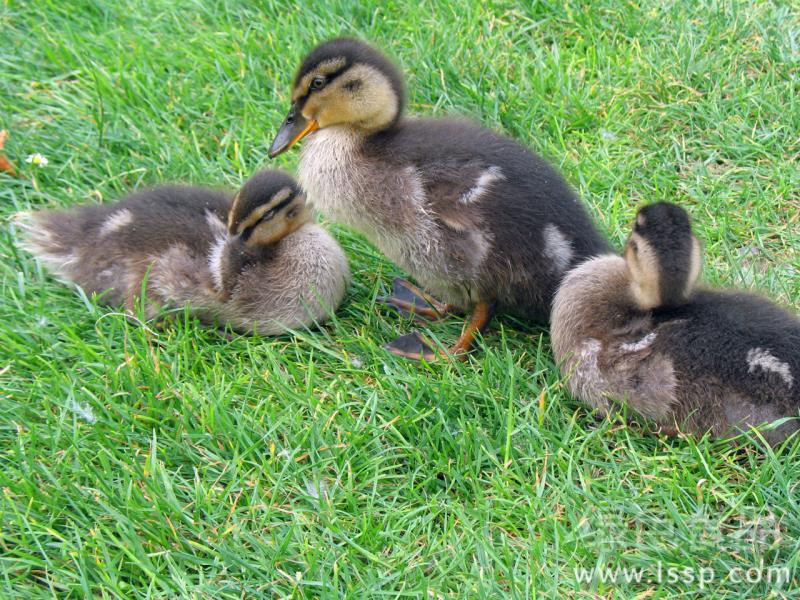
Ducklings
1. Preparatory work for brooding ducklings. Prepare high-quality feed that can fully meet the nutritional needs of ducklings. The brooding room and rearing equipment should be disinfected with caustic soda, lime, chlorine preparations, etc. Do a good job of cleaning, and prepare heating equipment.
2. Ducklings should drink water before being fed. Add an appropriate amount of glucose or vitamin C or one ten-thousandth potassium permanganate to the drinking water of ducklings 24 hours after hatching. After 1 to 2 hours of drinking water, they can be started on feed.
3. Ducklings should be fed complete pelleted feed. Feeding complete feed can meet all kinds of nutrients needed for the growth and development of ducklings.
4. Feeding methods for ducklings. The digestive tract of ducklings is not yet fully developed, so feed less and add more often. Feed ducklings until they are 60 to 70 percent full each time. Within one week, feed 6 to 8 times, and also add 1 to 2 night feedings. As the ducklings grow and develop, gradually reduce the number of feedings.
5. Do a good job of keeping ducklings warm. Temperature is the key factor determining whether brooding ducklings succeeds. At one day of age, the actual temperature under the brooder should be kept at 30 to 32 degrees, and the room temperature should be kept at 22 to 24 degrees. Afterwards, as the age of the ducklings increases, lower it by 1 degree per day until it drops to the same level as the ambient temperature, after which there is no need to continue lowering it.
Ducklings
6. Stocking density and grouping for raising ducklings. The most suitable stocking density for ducklings is 20 ducklings per square meter within one week of age. After the ducklings are slightly older, no more than 10 per square meter. Too high a density wastes space, while too low a density affects the growth of the ducklings. For grouping, it is best to have 250 to 300 in one group.
7. The duck house for ducklings should be ventilated frequently. The ground in the duck house should be kept clean, and the air fresh and dry. Ventilate 2 to 3 times a day, for 10 to 20 minutes each time.
8. Ducklings also need water-release activities. Water-release activities for ducklings are generally carried out 2 to 3 days after hatching. Ducklings should be released into water 2 to 3 times a day, for 10 to 15 minutes each time. In summer and autumn, ducklings within one week of age should be released into water 4 to 6 times a day, for 20 to 30 minutes each time. Do not let ducklings older than one week be released into water under strong sunlight and high temperatures; they can be left in the water to graze all day.