Clever Uses of Tea Leaves to Treat Four Diseases in Sheep
The benefits of tea leaves are promoting salivation and quenching thirst, clearing the heart and brightening the eyes, and strengthening the spleen and opening the appetite. These benefits apply not only to people but to many animals as well. For sheep farmers, tea leaves can treat a variety of diseases in sheep.
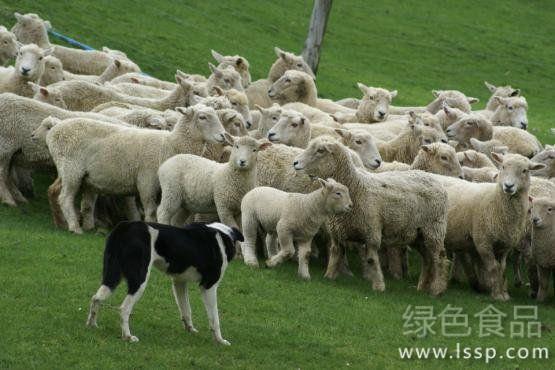
Sheep
1. If a sheep develops an infected ulcer due to skin damage caused by shearing or other sharp objects, tea leaves can be mixed with an appropriate amount of mugwort leaves, mint, and garlic stalks, boiled in water to make a decoction, and used to clean the sheep's wound. This decoction can both reduce inflammation and remove toxins, and also speed up the healing of the ulcer surface on the sheep's body.
2. If a sheep develops rumen bloat due to eating too much easily fermentable feed and green fodder, tea leaves ground into fine powder can be mixed and stirred evenly with ground Chinese honey locust seed, and the mixture inserted into the sheep's rectum through the anus. The mixture of tea leaves and ground Chinese honey locust seed can prompt the sick sheep to defecate quickly, thereby helping the sick sheep's rumen bloat gradually disappear.
Tea leaves
3. If a ewe about to give birth has excessive breast swelling due to good nutritional status before lambing, or excessive breast edema before lambing caused by other diseases, 10-20 grams of tea leaves can be added to 3 grams of Poria peel, 3 grams of ginger peel, 3 grams of Acanthopanax bark, 3 grams of Lycium bark, and 3 grams of Areca peel, boiled into a decoction and given orally to the ewe. Generally, after 1-2 oral doses, the ewe's excessive breast edema can be eliminated.
4. During grazing, if sheep show reduced skin elasticity due to overwork from grazing and insufficient drinking water, accompanied by symptoms such as listlessness and rough coat, an appropriate amount of tea leaves can be added to 20 grams of castor seeds and 10 grams of honeysuckle, mixed with water, boiled into a decoction, and given orally to the sheep. Generally, after 2-3 doses, the sheep's symptoms can be relieved.