The key to raising chickens in spring is good disease prevention and health care
Why is it said that the key to raising chickens in spring lies in disease prevention and health care for the chickens? This is because in spring, temperatures rise and spring rains are frequent, making it easy for bacteria and pathogens to breed. If the chickens do not get enough nutrition to resist pathogens, infectious diseases in the flock can easily occur, so health care and disease prevention are very important for chickens. So how do you provide health care and disease prevention for chickens?
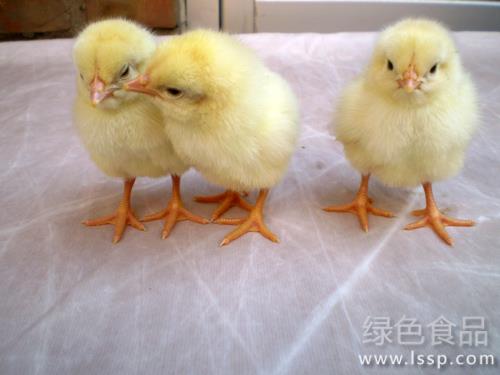
Chicks
1. Medication for brooding
After the chicks are moved into the coop, give them 2%-5% glucose water as soon as possible, once every 2-3 hours is enough. After drinking, supplement with electrolytic multivitamins and administer antibiotics. Do not use highly toxic antibiotics for chicks (such as mequindox, sulfonamides, etc.). If conditions permit, you can also supplement the chicks with an appropriate amount of amino acids.
2. Anti-stress medication
Stress in chickens can cause many diseases. Anti-stress medication means starting medication before the causes of disease arise, in order to improve the chickens' body resistance. At present, the most commonly used anti-stress drugs are actually antibiotics plus electrolytic multivitamins. If you want a good anti-stress effect, choose good electrolytic multivitamins; antibiotics should be selected according to the chickens' health condition.
3. Anti-coccidial drugs
Many farmers only think of giving chickens coccidiostats after they find blood in the droppings. Sometimes latent coccidiosis does not show clinical symptoms, so attention should be paid to using medication to prevent coccidiosis in chickens. Chicks can start medication from one week of age. According to specific rearing conditions, give medication 2-3 days per week, and be careful to rotate the drugs.
Chickens
4. Nutritional medication
For diseases caused by deficiencies of different nutrients in chickens at different growth stages, nutritional supplements should be given promptly and in appropriate amounts. Common nutritional supplements include vitamins A, B, D and E.
5. Disinfection medication
Disinfection medication is used to kill pathogens, purify the environment, and cut off the transmission routes of chicken diseases. Most breeders attach great importance to disinfection before the chickens are introduced, but neglect disinfection after the chickens are introduced. In fact, disinfection after the chickens are introduced is more important than disinfection before the chickens are introduced, including disinfection of personnel, activity areas, equipment and tools, and the chickens' drinking water, as well as disinfection with the chickens present. Various disinfectants should also be used alternately.
6. Kidney-clearing and liver-protecting medication
Because of the frequent and large amounts of medication used in the process of disease prevention and treatment in chickens, the burden on the liver and kidneys for detoxification and toxin elimination will inevitably increase. The liver and kidneys working under overload ultimately lead to liver poisoning and kidney enlargement. Therefore, regularly or irregularly giving chickens kidney-clearing and liver-protecting medication according to the actual damage is a relatively good remedial measure.